
Fear of Networking
The overall fear of networking and “being seen” can stop a lot of us in our tracks from learning about and doing it. As individuals in private practice it is vital that we acknowledge our fear of networking and of being seen and get out there! In order for us to succeed and be able to help people, we need individuals to come see us. In order for them to know we provide services that they or a loved one might benefit from, we have to tell them. One great way to do this is with networking.
When I opened my private practice and started reading about the “powers of networking” and how if I didn’t do any marketing or have a social media strategy I better make sure I am networking. Such a vague term ..networking… and honestly, I found it quite overwhelming.
Networking. Hmm. Don’t know much about it. Guess I’ll go to my trusted, wise, old friend Google and see what wisdom can be dropped on me there…
Louisville networking
Louisville networking for young adult female
Louisville networking for counselors
…
I found that the definition of networking is “A group of people who exchange information, contacts, and experience for professional or social purposes”.
And that Louisville has LOTS of networking groups for all different types of businesses and individuals all geared towards connecting them with other individuals and businesses.
After lots of research I still felt like networking wasn’t something I needed to do and that it was…
Boring
Stuffy &
Not for me
But then I remembered that I shouldn’t judge a book by its cover and that I might as well give it a shot before writing it off. Spent a little bit more time narrowing down all the different groups and organizations in Louisville to be involved with and finally stumbled upon one I aligned with, joined, and signed up for my first event.
Went to my first event and immediately regretted it. Walked into a room of what looked like a group of people that all knew each other, and I was the odd man out.
Immediately went the restroom and convinced myself that I could just walk back out, get in my car and go home and no one would notice. Which if we are being honest, no one probably would have noticed, but that wouldn’t really be me giving this networking thing a fair shot, now would it? That would be me happening to use the restroom at a bar that happened to be hosting a networking event.
So, I mustered up the guts to leave the restroom and enter the event. Looked around the room, immediately felt panic again that everyone else is squaded up talking and I am the ONLY ONE ALONE in the room.
So, I go wait in line at the bar and in line the individual behind me was wearing the same shoes as me, so I mentioned to her that I liked her shoes. She said thanks and laughed and we then went on to have a conversation about where we got them, which led to what parts of town we hang out in, live in and work in, to what we do for work, to how long we have been in Louisville…and so on. At the end of the conversation we exchanged business cards and went our separate ways (aka im alone again).
PANIC.
GO TO THE BATHROOM.
GO HOME.
THIS IS AWKWARD.
But…
I reminded myself to breathe. I didn’t go to the bathroom, didn’t go home, but I just acknowledged the awkwardness and kept breathing through it.
Throughout the night I met a handful of people and exchanged business cards with some of them. Had lots of small talk and conversations that started with “oh you’re a therapist…how amazing of you… must be such hard work…gosh I could use your services…” and drank some beer.
…
Concluding thoughts:
1. My first networking event didn’t kill me (Yay!)
2. Definitely felt awkward and self-conscious the entire time but…
3. Glad I went because if not I would have never known that…
Practically everyone else there also felt awkward (because they told me, or I could tell when I was talking to them by their body language, verbiage, etc)
AT ITS CORE, NETWORKING IS TALKING TO STRANGERS.
Once I was able to reframe this in my head all future networking events were so much less intimidating because:
1. I know how to talk. I do it all day long.
2. I love what I do (counselor) and advocating and normalizing mental health…so the more people that will listen to me the better :)
4.. The more events I went to the more people I recognized and the less awkward walking into a room of “strangers” was.
Long story short.
I get it. Networking is scary, new, intimidating, hard, anxiety inducing…
But as mental health and wellness professionals in private practice we do need to network because…
1. IT IS FREE (or low cost) - No need to spend hundreds on a fancy marketing team when you’ve got all you need! Just be yourself! Be genuine. Advocate for your profession all while spreading the word about the services you provide.
2. Builds your confidence - Know that networking doesn’t come easy to anyone (even those that make it look easy). The more you do it the more comfortable it will become. Trust me.
3. Creates connections - It gets you out of your office and off your computer and out into the community. Teaching you about the services around you that could assist you, your loved ones, or your clients down the road.
If the sound of networking still makes you want to crawl out of your skin. That’s okay.
Start small
Start “networking” (AKA talking) with anyone. Maybe its your spouse, your kids, your friends, or your office suite neighbors. Tell them about what you do and the clients that you best serve (of course leaving all PHI out of the conversation). If your office neighbors aren’t other mental health or wellness professionals this can be intimidating, but you’ve got it! If your office mates are in the mental health and wellness community themselves, even easier (and you’ve still got it)!
Here at b.mindful Louisville we only rent to individuals that are licensed or certified mental health or wellness professionals. Therefore, making it easier for our tenants to naturally network, consult and refer to each other within our like-minded community. We also host bi monthly socials for our tenants to step outside the office, let their hair down and get to know each other in a non-clinical atmosphere. Our tenants love this and see heightened levels of success in their practices because of built in networking opportunities.
Have additional questions? Feel free to message me and ask!

Shannon Gonter, Founder and Owner of b.mindful Louisville
I’m Shannon, a professional counselor and understand the importance of having a safe space to practice in, consulting, networking, having a solid referral list, and being around other like-minded professionals.

What Can I Do In Graduate School To Prepare For Private Practice?
What can you be doing as a graduate student to prepare for your future as a mental health professional in private practice?
When I was in graduate school private practice was not something on my radar. I knew it was an option of course, but it just seemed like something I would do when I was 50 not when I was 25. I really do wish my professors talked about it more, or that we had a class or speaker or even a handout on it at some point.
Long story short. I graduated with my masters in 2016, landed a job at my internship site, opened a part time practice in 2017 and left my full-time job in 2019 to pursue the self-employment life.
Once I started working at a local psychiatric hospital after graduation, I quickly noticed I had significantly less free time, and definitely less energy at the end of my days then compared to when I was in graduate school. I was fortunate enough to not have to work throughout graduate school and therefore had a good bit of free time on my hands while I was not in class, studying or writing papers. I wish I could have used that free time to research and plan for my private practice future.
But you can’t do what you don’t know. So I am here to get you in the know so if you want to take action you can start now!
What can you be doing in graduate school to prepare for private practice?
Take advantage of all things FREE
Download Freebies
Join Facebook Groups
Louisville Therapy Networking Group
Kent School of Social Work Group
Professional Organization Groups (KCA, KPA…)
Listen to Podcasts
Modern Therapist Survival Guide
Think about your ideal client
Right now it is okay to be broad with your ideal client population. IE) teenagers, young adults, children, new moms….but when you are licensed and start practicing you are going to want to dive deep into the specifics of who your ideal client is. Reason being, so your marketing efforts can speak directly to them and you can be sure to call in the individuals you do your best work with.
To figure that out, ask yourself:
• What am I passionate about?
• What traits in people do I highly value?
• Am I more active? Passive? Confrontational? Calm?
• Are there any holes in my areas current counseling market?
• Are there areas of counseling that I definitely DON’T want to work with?
• What does my ideal client look like? (be specific from age, race, interests, career…)
• How does my ideal client show their pain? (not sleeping, irritable moods, erratic bx…)
Be as detailed and specific as possible. The clearer the image in your minds eye, the easier it'll be to draw in that clientele.
Build an audience on social media
Everyone from the pope, to your aunt, to the president uses it, and so should your business (or future business)! Important to note that this is something that is separate than your personal social media profiles. Maybe you create another Instagram dedicated to mental health quotes and positive messages allowing yourself to build a professional audience and then when you are licensed and have a business you can swap your name to “therapybyshannon” or “LouisvilleCounselor” etc. and continue sharing with your already jump started community.
Reasons why: It is free! How amazing, right!? These days you don’t run into a lot of marketing strategies that are free, so take advantage of it.
There are so many different platforms to join so if you hate one of them, then you don’t have to use it. Try Facebook, Instagram, Pinterest, Twitter, Reddit, YouTube, Tumblr, LinkedIn, Flickr etc. Important to think about who you are wanting to attract and where they are hanging out. You want to meet your clients where they are. Meaning if you want to work with adults 40+ you will most likely find best success using Facebook. But if you want to work with adolescents or young adults, Instagram, Twitter or Reddit will probably be a better platform for you to reach your ideal population. No need to have a presence on all of them, work within your comfort zone and pick one or two of them and start building your platform!
Create content
In graduate school you are already creating a lot of content (it is just in the format of research and formatted papers). During this time while you are in the “writing” phase, crank out some content that is less clinical and more for the masses. The idea of content creation is to get your work out there in a variety of formats to build your audience, and give you credibility. Maybe it’s a blog, vlog, podcast, audio recording, or infographic. Whatever it is, make sure to focus on topics that your ideal client would be searching for to draw in the right crowd.
Network
Why do it?
It’s free (or low cost)
No need to spend hundreds when you don’t even need clients now. Just be yourself, be genuine and get out there and meet people!
Builds your confidence
Know that networking doesn’t come easy to anyone (even those that make it look easy). The more you do it the more comfortable it will become.
Create connections
It gets you out into the community and making connections for potential jobs, business building assistance, and just general plug ins to the Louisville mental health community happenings. A great place to start doing this is inside your practicum and internship placements
If you want to start your practice on the right foot, have a nice furnished space and have access to practice building resources, and a close knit community check out b.mindful Louisville. We have had tons of clinicians start their private practices in our offices and have grown their practice quite quickly with our low overhead costs and support provided. Reach out to Shannon Gonter at 502-528-1363 or at Shannon@bmindfullouisville.com for more details.
Have additional questions? Feel free to message me and ask!

Shannon Gonter, Founder and Owner of b.mindful Louisville
I’m Shannon, a professional counselor and understand the importance of having a safe space to practice in, consulting, networking, having a solid referral list, and being around other like-minded professionals.

Every Successful Therapy Office Needs…
Every successful therapy office needs a secure entrance and exit, comfortable waiting area for clients, seating for you and your clients in the office, sound machines, clocks, tissues, desk, shredder, fax, machine, soft lighting, décor, WIFI, amenities and more.
Secure entrance(s) and exit(s).
Preferably separate doors for the entrance and exit to ensure highest levels of confidentiality. Also, so the clinician doesn’t have to trek through the waiting area to get to their office. We all have those clients who get there super early and some of us are those clinicians who stroll in right before our sessions. Last thing we need is to be running through the waiting area at 9:58AM with our 10:00AM session watching us!
Seating for you and your clients.
Minimum of two chairs. Dependent on the population you see, you may need more seating. No need to spend thousands, but be sure that they are at least comfortable (you’ll be sitting in yours quite often), sturdy (don’t want it falling over on you), and durable (want it to last more than a few sessions).
Sound Machine(s).
If you don’t have sound proofing drywall or insulation of some sort (or even if you do) you will most likely have to utilize sound machines within your office hallways, waiting room, office or all the above. The white noise will add a buffer between you and the others in the office suite protecting your clients confidentiality even more.
Clock.
Make sure it is visible for you and your client (or have two separate ones) and make sure you can actually tell the time on it! Though decorative analog clocks can add a nice flare to your wall, no shame in going digital for the ease on telling time.
Those are the basics that every office NEEDS but below are the common things offices SHOULD have.
Comfortable waiting area for clients.
I don’t mean a hallway or an empty room. I mean a secure, private or semi-private designated waiting area for your clients to sit and wait for their sessions in. This room should have enough chairs to accommodate the office suite and maybe even some reading material, soothing music and aromatherapy.
Tissues.
Suggestion to keep a box by your chair and your clients. Therefore, you will always have a backup for when your client pulls the last tissue mid-session. Stock up and be prepared!
Desk.
Along with your client clinical hours, comes a good bit of paperwork and documentation. Most clinicians don’t need a large desk but something structured and big enough for your computer can be helpful in getting you out of your “therapist chair” and into a more upright ergonomic typing position.
Shredder.
Must have for all sensitive information and PHI that is not kept within client files. Even if it is a post it note with a client’s name and number on it, don’t toss that in the trash — shred it. Though we are probably the ones taking out our own trash, better safe then sorry. Follow the protocol and protect your clients confidentiality.
Fax Machine.
I know it’s the 21st century but insurances and HIPAA compliance can be “old school” and sending/receiving a fax is still one of the most secure ways to send PHI.
Soft lighting.
No one wants to feel like they are under interrogation while in session. If you don’t have the capability to dim your overhead lights, invest in a few standing and table lamps to soften the lighting throughout the space.
Décor.
Ask yourself the following questions: What do I use my office for? Is my office comfortable? Are there organizational systems in place? Do the colors within the space evoke any emotions? Needing help answering those questions? Read more here.
WIFI.
Lots of therapist don’t invest in WIFI for the office because they can just “document when they get home”. But then you are taking your work home with you which can cause strains on your work life flow, as well as cause complications for abiding by HIPAA. There are tons of ways to get WIFI at your office (that are affordable and portable) so you can document at the office and not have to take your work home with you (literally and figuratively).
Amenities.
Some of the common offices amenities to have in the waiting area are water, coffee, tea, mints, hard candies, reading material, toys for children, music, TV, etc. Some of the common office amenities are blankets, weighted blanket, fidgets, candles, salt lamps etc.
Of course there are other things you will “need” for your office and that will assist you in treating your clients to the best of your ability but this list will get you going.
If you don’t want to hassle with the high startup costs associated with outfitting an office, getting all this set up for yourself and keeping up with replenishing the supplies? Check out the shared workspace of b.mindful Louisville. We provide office rentals for mental health and wellness professionals in the greater Louisville, KY area that are completely furnished and loaded with amenities. Learn more here.
Have additional questions? Feel free to message me and ask!

Shannon Gonter, Founder and Owner of b.mindful Louisville
I’m Shannon, a professional counselor and understand the importance of having a safe space to practice in, consulting, networking, having a solid referral list, and being around other like-minded professionals.

7 Business Models For Private Practice
This post will focus on the private practice sector and the subcategories associated with it. Keep reading to learn about the 7 most common models for therapists, counselors and other wellness professionals in private practice.
In school we are taught that there are a few different places we can work as mental health and wellness professionals.
Community agencies
Hospitals
Private practice
While in school we don’t really understand the inner workings and behind the scenes work of all these settings; after we graduate, we don’t always figure out much more. We graduate, get a job and for the bulk of us forget that we have other options out there.
For those of us that end up going into private practice (full or part time) we still aren’t all that educated on the different options we have under the “private practice” umbrella. We just say we are going to do private practice join an established practice or hang our own shingle.
Hold up. Not how it should go!
This is a big decision you are making and I believe that if we are more educated on all the options out there for mental health and wellness professionals in private practice we could make more informed decisions about where we want to work and therefore lowering the chances for burn out and compassion fatigue.
This post will focus on the private practice sector and the subcategories associated with it. Keep reading to learn about the 7 most common models for therapists, counselors and other wellness professionals in private practice.
Solo model
Number of people: 1 person + any contracted non clinical assistants (website designer, virtual assistant, biller…)
Day to day: Clinicians exchange their time spent with clients for a stated fee. They are also responsible for running the business side of things (tracking expenses, marketing, networking, documentation, billing…) by themselves or with outsources assistance (attorney, accountant, marketing professional…).
Growth comes when you increase client volume or fees
Downside: It is just you and your clients. Easier to fall into the isolation of private practice world and run into safety concerns. To combat this make sure your office is located around other professionals (preferably like-minded professionals) and that you have a strong clinical network to consult and grow with.
Co-op model
Number of people: 2 or more clinicians
Day to day: In this model several solo-practices simply share costs of running the practice (a set monthly fee - not a % of what you make). Some just share the expenses of the physical space (rent, utilities, supplies, décor, furniture…) and others include a marketing budget for website management, etc. Each clinician operates as a solo provider under their own business entity and simply splits the costs with the other providers in the space. These clinicians can then refer to each other and draw on each other for support but are not contracted to split a % of their earnings with each other.
Growth comes when you increase your personal client volume or fees and/or add on other clinicians to lower your monthly shared costs value
Downside: Less independence and autonomy on the design of the physical space and marketing materials due to splitting the costs with others therefore having to compromise to ensure it meets all your needs and not just your own.
Contract model
Number of people: 2+
Day to day: Practitioner works as a solo clinician with their own business entity providing services for an established practice as an independent contract provider (1099 filer). Usually the established practice will provide you with credentialing, referrals and sometimes even an office space to practice out of (some allow you to practice out of your own office).
Growth comes when you increase client volume or renegotiate your split fee schedule with the established practice
Downside: Dependent on the practice you contract with they may have strict guidelines about your scheduling, billing, your clinical work etc. Ensure that you have an attorney review your contract before signing to ensure that it is in your best interest to contract vs being an employee vs solo practitioner.
Group model
Number of people: 2+
Day to day: Practitioner owns the practice and hires either contract providers or employees to see clients for a percentage of their earnings. Typically, an office space is provided with this model, receptionist, referrals, EHR, assistance getting credentialed with insurance panels…etc.
Growth comes from adding more clinicians to work under the group name
Downside: Decreased financial autonomy due to being contracted to provide your practice owner with 30%-60% of your earnings to cover the practice overhead, referrals and amenities. Ensure that you have an attorney review your contract before signing to make sure that it is in your best interest and know that you are allowed to negotiate with these contracts.
Sublease model
Number of people: 2+
Day to day: Practitioner subleases office space to other clinicians. Some office spaces are rented furnished, and some are not. Clinicians in the space may or may not be under the same practice name, and often all have different licensing backgrounds and work with varying presenting concerns. b.mindful Louisville is a shared workspace for mental health and wellness professionals in Louisville, KY that is a great example of this model.
Growth comes from adding clinicians and filling the office space available
Downside: As a landlord you have limited say on how your tenants run their businesses. Ensure that a trusted attorney draft your contract to ensure that you and your office suite are appropriately covered in case of a malpractice or liability concern from one of your tenants or their clients.
Employment model
Number of people: 2+
Day to day: Clinician simply works as an employee of an established private practice. Could receive benefits and a regular salary based on the contract with the practice.
Growth comes from getting salary raises
Downside: Possible decreased freedoms with your schedule and autonomy as a clinician given the established practice policies and culture. Make sure to have a trusted attorney review your contract before signing and know that items within the contract can be negotiated.
Non-traditional services model
Number of people: 1+
Day to day: Practice is built using non-traditional services delivery models (such as teletherapy). Clinicians can solely offer their services online or they can do a hybrid of online and in person services.
Growth comes from adding clients or increasing fees
Downside: Can be more restrictive by nature due to the clientele that are ethically appropriate to be seen via telehealth. Therefore, limiting the populations of people that would be good fits for this line of work.
There is no right or wrong path to private practice and a lot of these can be used in combination. I know tons of therapist who use the solo model and contract model together to fill their caseload and I know tons of mental health and wellness professionals that belong to any of those models and also do the sublease model on the side renting their unused space to other professionals. Mix and match to make a combo that works best for you and your life at that moment and allow yourself to adjust accordingly down the road.
Like I said before, having the knowledge of all the different ways one can do private practice can allow us to pick the best fit for us therefore (hopefully) lowering the chances of regret and burn out in the future.
b.mindful Louisville provides safe, clean, practical offices for those in private practice. Our spaces are designed with mental health and wellness professionals in mind.

Shannon Gonter, LPCC, Owner and Founder of b.mindful Louisville

Exclusive Growth Strategies Checklist
Are you wanting to hang your own shingle for your mental health or wellness practice? Are you wanting to grow your current private practice? Are you looking for cost effective ways to market and scale your practice? Are you running into a brick wall every time you sit down at your desk to sketch out a plan of how to market yourself? Are you too busy working another job or caring for yourself and your family to sit down and do the research on “how to market yourself on a budget’? If you answered yes to any of those questions, keep reading because we have the help you are looking for!
Are you wanting to hang your own shingle for your mental health or wellness practice?
Are you wanting to grow your current private practice?
Are you looking for cost effective ways to market and scale your practice?
Are you running into a brick wall every time you sit down at your desk to sketch out a plan of how to market yourself?
Are you too busy working another job or caring for yourself and your family to sit down and do the research on “how to market yourself on a budget’?
If you answered yes to any of those questions, keep reading because we have the help you are looking for!
We understand the stress of owning your own practice and also know that there are not a lot of people out there telling you how to do it. So we have spent the time doing the research for you (personally from own experience, on Google, and polling other local solo entrepreneur wellness professionals) and want to share with you what we found.
Sign up for our exclusive Growth Strategies Checklist that will provide you will 8 helpful and affordable ways to grow and market your practice.
P.S- If you sign up for the checklist, there may be some bonus marketing materials, tips and tricks coming your way as well! :)

Shannon Gonter, LPCC, Owner and Founder of b.mindful Louisville
Have additional questions about our office rentals for mental health and wellness professionals in Louisville, KY? Feel free to message me and ask!
I’m a professional counselor and understand the importance of having a safe space to practice in, consulting, networking, having a solid referral list, and being around other like-minded professionals.

Marketing Strategy That Will Work For You and Your Business
Set your goals, niche down and define your audience, choose the right channels for you and your practice, and track and monitor progress.
How To Create The Best Marketing Strategy That Will Work For You & Your Business
Allow lots of flexibility into this strategy because it will need to grow and shift as your business expands.
SET YOUR GOALS
Take some time to sort out your goals for your current practice. Make sure they are:
Specific – Define the exact content tactics you will use. Learn more here.
Measurable – Make sure you are tracking your return on investment (ROI) – financially and time wise
Attainable – Have a clear picture of the outcome
Relevant – Target your ideal clientele
Timely – Check back in with yourself and your efforts to ensure that you know when you are succeeding
NICHE DOWN AND DEFINE YOUR AUDIENCE
If you don’t know who you are talking to, how will you know what to create? Spend some time focusing on and envisioning the type of audience you want to have for your future content.
Ask yourself:
Who is this for?
What are their pain points?
What questions do they want answered?
How are they seeking out answers?
CHOOSE THE RIGHT CHANNELS FOR YOU AND YOUR PRACTICE
There are endless options for where you can post your content and you don’t need to be one all of them. If you don’t know how Reddit works, have tried to figure it out and cant, then don’t have a presence there. If your ideal client is hanging out on Reddit, I bet you they are also on Twitter, so have a presence on there. Focus on the platforms that you are most comfortable with and make sure they are also ones that your ideal clients spend time on those as well.
Ask yourself:
Where do they hang out (online and in person)?
Where do they shop?
What is their style?
What local businesses do they follow on social media?
TRACK AND MONITOR PROGRESS
Make sure you know if what you are doing is actually working…because it if isn’t then you are going to want to take a step back and go back to the drawing board. Remember that its okay if it takes you a couple times to find your grind. The more you do, the more you will learn.

Shannon Gonter, LPCC, Owner and Founder of b.mindful Louisville
Have additional questions? Feel free to message and ask!
I’m Shannon, a professional counselor and understand the importance of having a safe space to practice in, consulting, networking, having a solid referral list, and being around other like-minded professionals.
If you want to learn more about our rentals, don’t hesitate to reach out to Shannon at Shannon@bmindfullouisville.com or call 502-528-1363. Click here to learn more.

Where To Post Your Digital Content
If you have a business website, you should definitely be posting your content on there. Your content should also be shared on any social media accounts you have. But that’s not it! There are so many other platforms that you can post your content on to reach a larger audience.
In today’s digital world, everything is about good, quality content. In order to appear in search engine results when people are looking for services in your industry, you have to build engaging content and post it in strategic locations. To start, there are some basic locations you should definitely post content to. Such as your business website. You absolutely need to be posting your content on there at a minimum. This is the first place most people start when researching companies. Your content should also be shared on any social media accounts you have (Facebook, Instagram, LinkedIn, Twitter…). But that’s not it!
There are so many other platforms that you can post your content on to reach a larger audience. And posting in multiple places, with different readers increases your chances of getting your content seen by your target audience. So you should strategically post on at least three to five platforms if you want to intersect with your intended audience.
Some examples of good platforms to post content on include:
Email List – send weekly, bi weekly, monthly updates to your mailing list with your most recent content creations
Guest posting on other blogs – other providers in your community, association pages, wellness blogs… This is a great way to build connections between your name, your practice’s name and other credible sources. Make sure to include a link to your guest post on your site as well, to get the most SEO value.
Printed Magazines/newsletters
Ezines
Forums
Itunes – for podcasts
Your website
Directory site blogs
Social Media (personal and professional profiles)
Have additional questions? Feel free to message and ask!

Shannon Gonter, LPCC, Owner and Founder of b.mindful Louisville
I’m Shannon, a professional counselor and understand the importance of having a safe space to practice in, consulting, networking, having a solid referral list, and being around other like-minded professionals.
If you want to learn more about our rentals, don’t hesitate to reach out to Shannon at Shannon@bmindfullouisville.com or call 502-528-1363. Click here to learn more.

Content Creation
So often we think of content creation as just blogs, articles and social media but it can be so much more than that. Not only can it take different forms but having different types of content increases the chance of viewers engaging with the messages.
What Type Of Content Should I Be Creating For My Private Practice?
Content marketing is the best way to reach your target audience and gain their attention. It establishes you as a credible resource, builds your expertise in the industry, and puts your name in front of your target audience. The rule of thumb in marketing is that your message needs to be seen 7 times before a viewer takes note. So building multiple types of content is essential for getting your message out there.
Sometimes when we think about content creation we only think about blogs, articles and social media, but there is so much more to content marketing. For example, your content marketing strategy can include…
Ads
Comments
Photos
Animations
Slide decks
Events
PDFs
Press
Print marketing
Lists
How-tos
Polls
Case studies
Guides
Reviews
Interviews
Podcasts
Tutorials
Research
For more, check out the post by Zazzle and the 101 Types of digital content they found!

Shannon Gonter, LPCC, Owner and Founder of b.mindful Louisville
Have additional questions? Feel free to message and ask!
I’m Shannon, a professional counselor and understand the importance of having a safe space to practice in, consulting, networking, having a solid referral list, and being around other like-minded professionals.
If you want to learn more about our rentals, don’t hesitate to reach out to Shannon at Shannon@bmindfullouisville.com or call 502-528-1363. Click here to learn more.

Content Marketing And Why Your Practice Should Use It
Building engaging, authentic content allows your audience to learn about you (before meeting you), begin to see your expertise and start trusting your process. This trust can turn prospective clients into clients quicker and can lead to a higher commitment level and retention rate for your clients.
What Is Content Marketing & Why You Should You Use It To Grow Your Private Practice
What Is Content Marketing?
Content marketing is a strategic marketing approach focused on creating and distributing valuable, relevant, and consistent content to attract and retain a clearly defined audience — and, ultimately, to drive profitable customer action.
Compared to the traditional marketing strategies of just pitching your products and services, content marketing allows you to provide your audience with truly relevant and useful information that will help them solve their issues.
What Types Of Content Can You Create?
Sometimes when we think about content creation we only think about blogs, articles and social media, but there are so many more types of content marketing. For example, your content marketing strategy can include infographics, lists, videos, webinars etc. Continue reading more about what type of content you should create here.
Where Do You Post This Content?
If you have a business website, that’s the first place you should post content. It should also be shared on any social media accounts you have (Facebook, Instagram, LinkedIn, Twitter…). But that’s not it! There are so many other platforms that you can post your content on to reach a larger, more diverse audience. Continue reading about where to post your content here.
Why Should Mental Health and Wellness Professionals Use Content Marketing To Grow Their Business?
We all know that the relationship between client and provider is very important to the healing process, and content marketing can assist you in building that relationship before you even meet your client. With this strategy you are able to reach larger audiences and better distinguish yourself from the other providers in your area. Your audience can learn about you (before meeting you), begin to see your expertise and start trusting your process. This trust can turn prospective clients into clients quicker and can lead to a higher commitment level and retention rate for your clients.
Below are the top 4 reasons why mental health and wellness professionals need to use content marketing.
GENERATE TARGETED LEADS
The goal is to of course is to get people to interact with your content, learn and grow from it and hopefully bring in some new clients. But you don’t want to just bring in any and every one. You want to be intentional about the content that is created and what individuals it is drawing in. For example, if your ideal population is middle school males, you are going to want to target a lot (if not all) of your content creation speaking to the parents and guardians of the middle school boys struggling with X, Y and Z. You definitely want to focus on creating content that appeals to the individual who is seeking services, but you also can draw in other healthcare professionals, possible referral resources, and local media outlets with your content creations.
INCREASE YOUR VISiBILITY
In the recent years, research has shown that consumers no longer respond to traditional marketing strategies (ads) and that they want to have a relationship (or feel like they do) with the individual(s) they are seeking goods and services from. By creating easily digestible and valuable content you are building a loyal following and greatly increasing your visibility compared to other mental health and wellness providers.
ESTABLISH TRUST AND AUTHORITY IN THE FIELD
You want to do this with both prospective clients and your referral sources. The more you show your audience that you know what you are talking about (by posting eye grabbing, consistent, valuable content) the quicker they are going to build a relationship with you and/or understand your expertise in your field of work.
IMPROVE YOUR REACH
The digital age has brought us the wonderful and powerful gift of being able to extend our network and community tenfold. As opposed to sending out mailers or an email to your mailing list, you can now make one post on social media accounts that can easily reach thousands. Put the time in, produce desired content, and watch your practice audience grow!
How To Create A Bomb Content Marketing Strategy And Stick To It
SET YOUR GOALS
Take some time to sort out your goals for your current practice (allow this plan to be flexible and change with you over time).
NICHE DOWN AND DEFINE YOUR AUDIENCE
If you don’t know who you are talking to, how will you know what to create? Spend some time focusing on and envisioning the type of audience you want to have for your future content.
CHOOSE THE RIGHT CHANNELS FOR YOU AND YOUR PRACTICE
There are endless options for where you can post your content and you don’t need to be one all of them. Focus on the ones that you are most comfortable with and the ones that your ideal clients spend the most time on. Read about this in more detail here.

Shannon Gonter, LPCC, Owner and Founder of b.mindful Louisville
Have additional questions? Feel free to message and ask!
I’m Shannon, a professional counselor and understand the importance of having a safe space to practice in, consulting, networking, having a solid referral list, and being around other like-minded professionals.
If you want to learn more about our rentals, don’t hesitate to reach out to Shannon at Shannon@bmindfullouisville.com or call 502-528-1363. Click here to learn more.

Voicemail Script For Your Mental Health Or Wellness Private Practice
Your voicemail can often be your first interaction with clients and making a good impression is key. In this post we are going to focus on formulating the most efficient and effective voicemail for you to use so you can spend less time on the phone and more time working with your clients.
As mental health and wellness professionals we are busy people and what busy people need in their lives is highly efficient processes. In this field, on top of efficiency, we also need to be able to exude confidence, competence, organization and professionalism all without seeming fake, rushed, cocky or robotic.
“So…how does this pertain to my voicemail message?”
Having a solid voicemail message that is clear, concise and natural sounding can significantly lower the number of hang-ups you get, wrong number voice messages you receive and help you turn more of your calls into new clients.
Majority of healthcare professionals don’t answer calls unless they know the number, therefore sending the bulk of calls to voicemail. For some, your voicemail message may be the first time a prospective client hears your voice and forms a connection with you. So, you want to make sure you are coming across as welcoming, professional and natural (no pressure). For those of you who write blogs or do videos already, your prospective clients may have some formation of who you are and what you do so your voicemail prompt will just be an added impression to that.
“How is reading off a script going to make me sound more natural?”
By using a script and rehearsing it, you will build confidence and the flow will become more and more natural with time. At first you will just be reading it, but once you get used to how the words string together you will be able to tweak it, add in pauses and your own personality.
Scripts to be altered to fit your practice’s needs:
Solo Wellness Practice:
“Hello. You’ve reached Molly Hill, Licensed Massage Therapist with Healing Touch. I am currently unavailable to take your call, so please state your name, phone number, and a detailed message after the beep and I will get back with you within two business days”
Solo Mental Health Practice:
Those of you coming from an agency or hospital that are used to saying “Hello you have reached the confidential voicemail of …” be aware that agencies and hospitals pay BIG money to have secure phone lines and neither your iPhone or Android is. Be mindful of the wording you use for your private practices voicemail and maybe try something like this:
“Hello. You’ve reached Shannon Gonter, Licensed Professional Clinical Counselor with Therapy by Shannon. I am currently unavailable to take your call, so please state your name, phone number, and a detailed message after the beep and I will get back with you within two business days. If you are wanting to learn more about my services, please visit www.therapybyshannon.com and schedule your free 15-minute phone consultation online. If this is an emergency, hang up and dial 911 or go to your local emergency room. If you’re not in immediate danger, but you would like to speak with someone, you can reach the National Suicide Prevention Lifeline at 1-800-273-8255.”
Group Practice:
It is highly beneficial in a group practice office to get a voicemail system that allows the caller to leave a private voicemail for each clinician. For example, a client calls, listens to general voicemail message, selects a number, listens to their clinicians voicemail prompt, leaves a private voicemail message, then the clinician can sign in to listen to their messages.
“Hello. You’ve reached Therapy Specialist of Louisville. We are currently unable to take your call. If you’d like to leave a message for Brad Morris, press one. For Joanna Smith, press two. For Emily Hopkins, press three. If this is an emergency, hang up and dial 911 or go to your nearest emergency room. If you’re not in immediate danger, but would like someone to speak with, you can reach the National Suicide Prevention Lifeline at 1-800-273-8255.”
Before recording:
Alter the script with your practices name and contact information
Rehearse your message before recording (maybe even audio record yourself first and play it back to make sure you sound how you want to)
Find a quiet place to record, with no echo
Make sure you are holding the phone close to your mouth
Take a deep breath
Record
Be patient with yourself
For some it will take more recordings than others, and that’s okay. It may be helpful to read it out loud to a friend or loved one before recording. Then after recording ask another friend to call as if they were a client and listen, providing you with feedback. If you are having a hard time sounding natural, it may help to record yourself with a friend present. Have them stand in front of you during the recording so you can act as if you are just talking to a friend.
Like scripts and templates and want more? Check out our office rentals at b.mindful Louisville. With each fully furnished office rental our tenants get full access to all our amenities and our practice building courses. Jam packed with tips and tricks to assist you in building your business including but not limited to detailed scripts and templates for your email and phone calls. Learn more here.

Must Have Paperwork For Your Mental Health Private Practice?
Are you wondering if you have the right documentation practices in place and more importantly, if they are set up correctly? Having the right paperwork documents protects and establishes your most important private practice principles. Today we are going to discuss the essential paperwork for your mental health or wellness practice in order to ensure compliance with your state board and HIPAA, protect yourself and your business and maintain transparency with your clients.
With every job there seems to be more paperwork involved than necessary and for mental health professionals that is definitely true when it comes to client documentations and insurance paperwork. Are you wondering if you have the right documentation practices in place and more importantly, if you are doing them correctly? Today we are going to discuss the essential paperwork for your practice in order to ensure compliance with your state board and HIPAA, protect yourself and your business and maintain transparency with your clients.
Let’s dive right into it. Below are the necessary paperwork items you need for your mental health private practice.
Informed Consent
A document outlining your practice policies, expectations and practices. If your current informed consent is only one page, that isn’t long enough. Check with your board on the exact must haves for your specific state and license. Some of the most common items you will need are: limits to counselor/client confidentiality, benefits and risks to counseling, practices around medical records, fees, electronic communication, appointments and cancellation policy, phone contact and emergencies, structure of therapy, and dual relationships.
Check out Kate and Katies video on the 13 must haves.
Financial Agreement
This can be rolled into your informed consent, but I prefer to have a separate document for agreeing to the fees associated with therapy. We’ve all got money issues and either brush over it or don’t mention it at all but we need to be setting firm limits and expectations for our clients and holding true to those (so if you’ve agreed on a fee for a session, charge that fee at the beginning of every session, hold true to your agreement). This form should state your professional fee for services (all services), as well as cancellation charges, policy for if payment was not accepted, authorization to charge card on file, etc.
HIPAA Statement
This can be added to your informed consent if you prefer or can be a separate document. You can download and edit this form using these instructions.
Release of Information (ROI)
So you can talk with your clients current and past providers in order to collaborate and do the best work possible for your clients. Remember to get a ROI signed to talk with ANYONE other than your client and to keep them up to date when they expire.
Intake Paperwork
Paperwork that you want your client to complete prior to the first session with you. Can include: Demographic information, Relevant history gathering, Relationship information, Clinical information, Preferred contact method, etc.
Extras:
Superbill
This is typically only used if you are an out-of-network provider with someone's insurance company and they are wanting to file for possible reimbursement. Typically provided to client on a monthly basis so they can file it with their insurance company. Most EHR platforms will generate this automatically for you but if you are creating your own it needs to have the following: your practice name, address, contact information, NPI #, License #, and Tax ID #, Clients name, address, contact information and DOB, Diagnosis Code, Date of services, service code, description of services and total amount paid to you for services
*Connect your clients with Get Better to assist them in getting reimbursed for services they have paid out of pocket for.
Invoice/Receipt for Services
You should provide your clients with a receipt for their payment. You can easily do this on Canva or with a template from Microsoft Word.
Letterhead
Good to have on hand so when you need to write a formal letter you don’t have to take the extra time to design it then. You can easily do this with Canva or with a template from Microsoft Word.
*All paperwork should be looked over and approved by a business attorney*
At b.mindful Louisville we provide each tenant with full access to our practice building resources. Within the paperwork section we provide detailed information for what needs to be in your informed consent, templates you can alter for your financial agreement, HIPAA statement, ROI, superbill, intake paperwork, scripts and more.

Shannon Gonter, LPCC, Owner and Founder of b.mindful Louisville
If you want to learn more about our rentals, don’t hesitate to reach out to Shannon at Shannon@bmindfullouisville.com or call 502-528-1363. Click here to learn more.

What is the best business entity for your private practice?
You know you want to start your own private practice. That’s awesome! Now… how do you get started? First, you need to determine which business entity is right for you and your business. Think I’m speaking a second language? Read our quick breakdown of the most common types of entities and which is best for different types of independent wellness practices. This will help give you a starting point in making your business official.
Disclaimer: This is not legal or tax advice. This information is for educational purposes only. You should consult with an attorney and a CPA to determine which type of business will best meet your needs.
Being in private practice is not just about having the autonomy to pick your own clients and set your own schedule, it is also a commitment to being an entrepreneur and a business owner. Therefore, the hats we wear day in and day out often switch from clinical to business owner several times. This transition is difficult to juggle for most, but can be even more troublesome for those of us in the helping fields because we are very rarely trained and/or exposed to the business side of things before opening our own private practices.
What is the best business entity for your private practice?
“uh….I don’t know” is usually the response to this question when asked of any counselors, therapist, life coaches or other wellness professionals. They are typically more tied to the helping side of their role and not so much the business ins and outs. BUT REMEMBER (from above) that being in private practice is a commitment to being a business owner. So, to be a competent business owner, we need to know what our options are to be able to decide what fits our individual and business needs best.
To help you get started on determining which entity fits your specific needs, I have compiled a list of the business entity options, a short summary and its common usages for private practice owners.
LLC (Limited Liability Corporation)
Summary: Designed to provide additional liability protection for the business owner compared to a sole proprietorship. By having an LLC it separates your personal assets from your business assets therefore adding an additional barrier of protection against any possible lawsuits against your business. An LLC also allows you to have multiple members/owners and in most states the taxes are passed through the individual members/owners and not the business itself.
Short hand: An LLC is a hybrid that tries to combine the benefits of a sole proprietorship and a the benefits of a corporation.
Commonly used for private practice? Yes. It provides the right amount of protection and flexibility for practice owners and though this is not legal advice, an LLC is the most commonly used entity for private practices in Kentucky.
PLLC or PC (Professional Limited Liability Corporation)
Summary: An entity for individuals with professional licenses (accountants, lawyers, healthcare professionals, architects, etc.). Dependent on your state, some do not allow those with professional licenses to form an LLC and require a PLLC (Kentucky is currently not one of those states). Often requires further documentation and approval from the Secretary of State.
Short hand: Dependent on your state, some will require individuals with professional licenses to get a PLLC and not an LLC (check with your state).
Commonly used for private practice? Most commonly used within group practices that house individuals of similar licensure.
Sole Proprietorship
Summary: Easiest and cheapest entity to form for your business. Unfortunately, with the ease, there are downsides to this entity. The financial, legal and other risks associated to your business are directly tied to you personally. There is no separation of business and personal assets (investments, home, car, etc.) therefore putting your personal assets at risk if there ever be a business lawsuit or downfall.
Short hand: Easiest and cheapest to establish for your practice but comes with risks.
Commonly used for private practice? Though you can legally run your private practice as a sole proprietor, it is not typically suggested to do so (due to the lack of protection and separation of your business and personal assets). Even if you are starting small and plan to grow your practice to a part time or full-time case load, it is suggested to start out with another entity for increased protection. Again, this is not legal advice, but if you have no personal assets (home, car, investments…) and plan to keep your case load small forever, a sole proprietorship may work for you. Please check with an attorney prior to doing so.
Partnerships
Summary: When two people enter into a business arrangement together. This entity has similar risks as sole proprietorships (lack of protection) but with some of the tax benefits of an LLC.
Short hand: Entity hybrid for two individuals entering into a business together with the downfalls of a sole proprietorship and some of the benefits of an LLC.
Commonly used for private practice? Not commonly used for private practices. Group practices or shared ownership practices are typically going to align more with an LLC or PLLC.
Corporations
Summary: Are owned by its shareholders and require a board of directors. They are also subjected to other requirements such as annual reports, business filings, etc.
Short hand: C-Corp or an S-Corp (different designations for tax purposes)
Commonly used for private practice? Most commonly, private practice owners will start with an LLC and then once they are profiting a certain amount their accountant and/or attorney may suggest an S or C-Corp for various tax benefits it can provide the company.
Non-profits
Summary: All entities listed above are “for profit” companies (meaning their sole purpose is to make money for the owners, shareholders, and members). However, a “non profit” business entity is focused on funneling the money made to provide some sort of public benefit or cause and not distributing it all back to the owners.
Short hand: A company that uses the surplus of its revenues to further achieve its ultimate objective rather than distributing more money to its owners and members.
Commonly used for private practice? This entity is sometimes used for larger private practices. There are several different options for nonprofit organizations, so it is recommended to talk with an attorney to figure out what is the best option for you.
In summary the most common business entities used for mental health and wellness professionals in private practice are an LLC, PLLC, or sole proprietorship. Growing popularity is to become an LLC compared to sole proprietorship as a private practice provider. This allows more separation of your personal assets from your business assets in case there was ever a lawsuit against your practice. However, it is important to note that this is a different type of protection than having malpractice or general liability insurance. Those insurances are also needed to protect you and provide you with the support to fight a lawsuit. But they do not set any protective lines for distinguishing between your personal and professional assets (as certain business entities would).
To begin creating your business entity, start by researching the laws of your individual state to identify any specific restrictions or policies for your field. Learn more here.
At b.mindful Louisville we provide you with the business building resources that ease the process for you in learning all things business. We have direct links, contacts, resources and numbers for you to take advantage of so you can spend less time on Google pulling your hair out and more time growing your business.
Stuart Adams is a Louisville, Kentucky based attorney who can assist you all things business and ensuring your have the appropriate entities and regulations in place to protect you and your business assets.
Disclaimer: This is not legal or tax advice. This information is for educational purposes only. You should consult with an attorney and a CPA to determine which type of business will best meet your needs.
Have additional questions about our office rentals for mental health and wellness professionals in Louisville, KY? Feel free to message me and ask!
I’m a professional counselor and understand the importance of having a safe space to practice in, consulting, networking, having a solid referral list, and being around other like-minded professionals.

Shannon Gonter, LPCC, Owner and Founder of b.mindful Louisville

How To Keep Yourself Safe In Your Private Practice
There are a million details to plan for and think through when starting your own business. As a mental health or wellness professional, one of the most important elements to consider is safety. Safety for yourself as a practitioner and your clients. There are a lot of safety measures to think about when evaluating office space for your practice. Read on to learn about just a few of the areas of safety that b.mindful Louisville was created to address for you and your practice.
There are lots of things to plan for and think about when going into business for yourself. But in the mental health and wellness fields there is an added level of intentionality needed for everything we do with our clients. As certified mental health professionals, it is critical to make sure that this extends into our business thought process as well.
After getting all your business paperwork filed, business entities formed, clinical paperwork in order, and networking events attended; you would think the planning should be done right? Unfortunately, it doesn’t stop there. One of the most important elements in your practice is client and practitioner safety.
Below we will break down the most important safety items to keep in mind when finding your office, setting it up, and scheduling clients to ensure you have appropriate safety precautions set in place for your items, your clients and most importantly you.
When looking for an office space…
Ensure the office you are looking at has a lock on the office door or the ability to add one.
Best case scenario for your new office would be that your office door does not lead to the exterior of the building and that there are some interior barriers between you and the outside.
Make sure that the office you are looking at has more than one exit and that you know where all the exits are.
Think about where all exits lead to. Does it lead to a busy street? Does it lead to an alley way?
Think about the parking situation. Is the parking close by? Does it require a lengthy walk from the office door? Is it well lit?
Think about who is around you. Are you renting an office in a space where you will be the only one working late or weekends? Suggestion to rent somewhere around other like-minded health and wellness professionals with similar schedules so you aren’t the only one in the building at all times.
When setting up your office space…
When configuring the furniture in your office, ensure that there are no barriers between you and the door and that you are sitting closest to the door.
Look at the décor in your office and evaluate what could be used as a potential weapon. Remove items that could be dangerous to you or your clients.
If you have a waiting area, think about the population you work with and if giving them a locker in the waiting area would be appropriate. This then limits the possibility of dangerous items being brought back to your office.
If not already developed, make an office-wide emergency plan (fire, power loss, tornado, active shooter, agitated client…).
When scheduling new clients…
A great suggestion is to screen potential clients before scheduling intake appointments with a free 15-minute consultation call. Use this time to ask pertinent questions in regard to safety and to ensure that they are a good fit for your practice and expertise.
If possible, try not to schedule new client appointments late into the night or as your last appointment of the day.
If your office is around other people, give yourself an out and allow colleagues to interrupt if they hear a client getting volatile. Discuss with your coworkers that they can knock to inform you that you have a call or ask for your assistance with something.
Extras…
If possible, you can label one of your rooms a “panic” room so everyone in the office knows where to go in case of an emergency.
You can download specific apps for your phone that act as a panic button and will call emergency authorities at the touch of a button. Certain smart watches will do this as well. Panic Button Apps
Keep your cell phone near you or in your pocket during sessions in case of an emergency.
You can learn self-defense techniques. 5 Self Defense Moves Everyone Should Know
Of course, we hope that no one ever has to use these suggestions and techniques in real life but always better to be safe and prepared than in danger and not having a plan.

Shannon Gonter, LPCC, Owner and Founder of b.mindful Louisville
b.mindful Louisville takes the safety of our tenants and their clients very seriously. We designed our offices with mental health and wellness professionals in mind and have taken care of a lot of safety measures for you. Our goal is to ensure our tenants feel confident, secure and prepared to tackle whatever comes into their office that day.

Okay, So I Ordered Business Cards…Now What?
So much of the private practice business is built on our networking skills. Having business cards with you at all times allows you to give out your information at a moment’s notice. As soon as people find out you are in a mental health or wellness profession, they always seem to know someone who is looking for a recommendation. Help build your reference network by making sure people can easily remember your name and how to get in touch with you by keeping business cards handy.
Short answer…
TAKE THEM OUT OF YOUR DESK DRAWER AND USE THEM!
Long answer…
Leave some…
in your car
in your wallet
in your bags (all of them)…
EVERYWHERE!
You would be surprised how many times people have asked me “do you have a card” after telling them I am a mental health counselor. It has happened to be at my annual doctors appointments, at the hair salon, volunteering events and many, many more. Thankfully, I was prepared and had a card available to pass along to them!
Be intentional with who you give them to and how many you give them
Before handing someone your card, think about who they are, and why they want your card (or why you want them to have your card). Are they going to use your card for personal use? Do they want to give your card to someone else? Are they in a position to refer multiple people to you? Dependent on the question, you may want to provide them with more than one card. If it is a potential referral source, you can invite them to email you if they are ever needing more cards from you.
Don’t be too pushy
Don’t enter a networking event with a stack of business cards in your hand and introduce yourself to people by giving them a business card. 1) it looks weird and 2) some people may not want your business card so don’t force it on them. A better way to navigate the business card exchange is to 1) ask that individual if they want one of your cards or 2) ask them for their card (and usually they will ask for yours as well)
Follow up
If you exchange business cards with someone, follow up with them. Send them a short email letting them know how nice it was to meet them and how you would love to grab a coffee sometime to get to know more about their business.
Remember the importance of networking your mental health and wellness practice is not to turn all those coffee dates into clients, but to build connections and inform them of the services you provide. Because each and every one of these people you network with knows someone who needs mental health or wellness services and when their friend asks them “do you know a good [insert wellness profession] …” your name will be fresh on their mind and they may refer them to you!

Shannon Gonter, LPCC, Owner and Founder of b.mindful Louisville
Have additional questions? Feel free to message me and ask!

Business Card 101
Your business card is often the first impression of your business. Make sure it represents your brand and ensures that recipients can get in touch with you. Unsure of how to make the best impression with your business card? We have compiled the top business card questions and answers to them to help you make sure your first impression is the right one.
For a lot of us in the mental health profession, our business is built on referrals and recommendations. A quick and easy way to increase this practice is to have creative and informative business cards on hand at all times. But having a card with too much or too little information can be a poor first impression of your business. Below we answer the top business card questions and how to avoid etiquette mistakes.
Top business card questions answered:
What should go on them?
Logo and Tagline
Only if you have one. If you don’t, that’s okay. You don’t have to wait to order business cards until you have a logo and tagline. Your business cards can always be altered throughout the growth of your business and reordered.
Name and Functional Job Title
Contact Information
Dependent on your role, you may not need your address. Typically, an email and phone number are enough.
Website URL
Social Media Platforms - if helpful
You only want to list social media handles if you have an active social presence and it serves your business by directing people to the platforms. If you don’t frequently post on your social sites or use social media to promote parts of your business, it’s best to leave the social media URLs off of your card.
White Space
Creativity
Where can I design and order business cards?
• Canva
• MOO
What do I write on the business card?
Not too much! Remember to leave white space on your card and not overcrowd the surface with words, patterns, or designs.
What shape business card should I get?
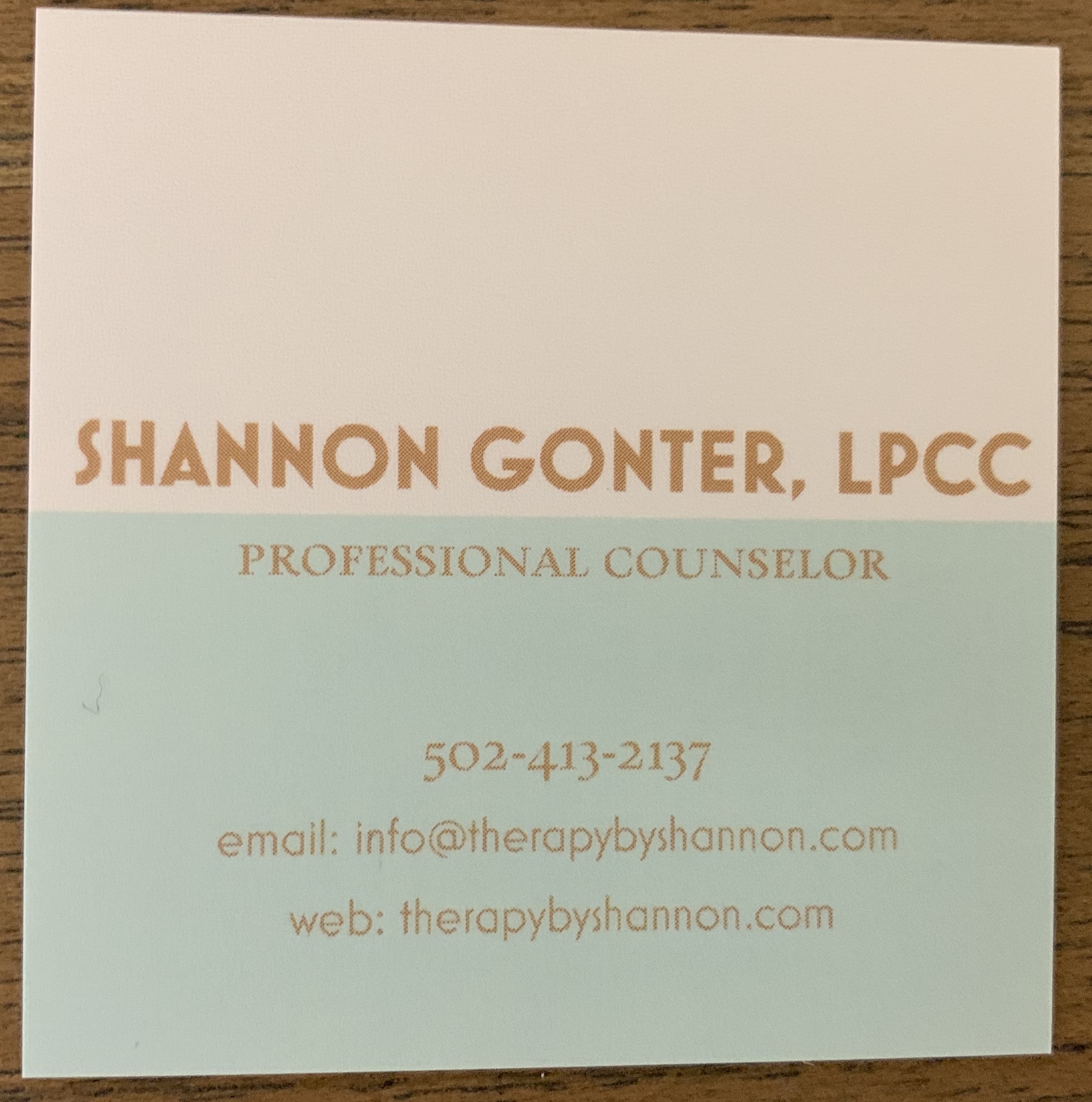
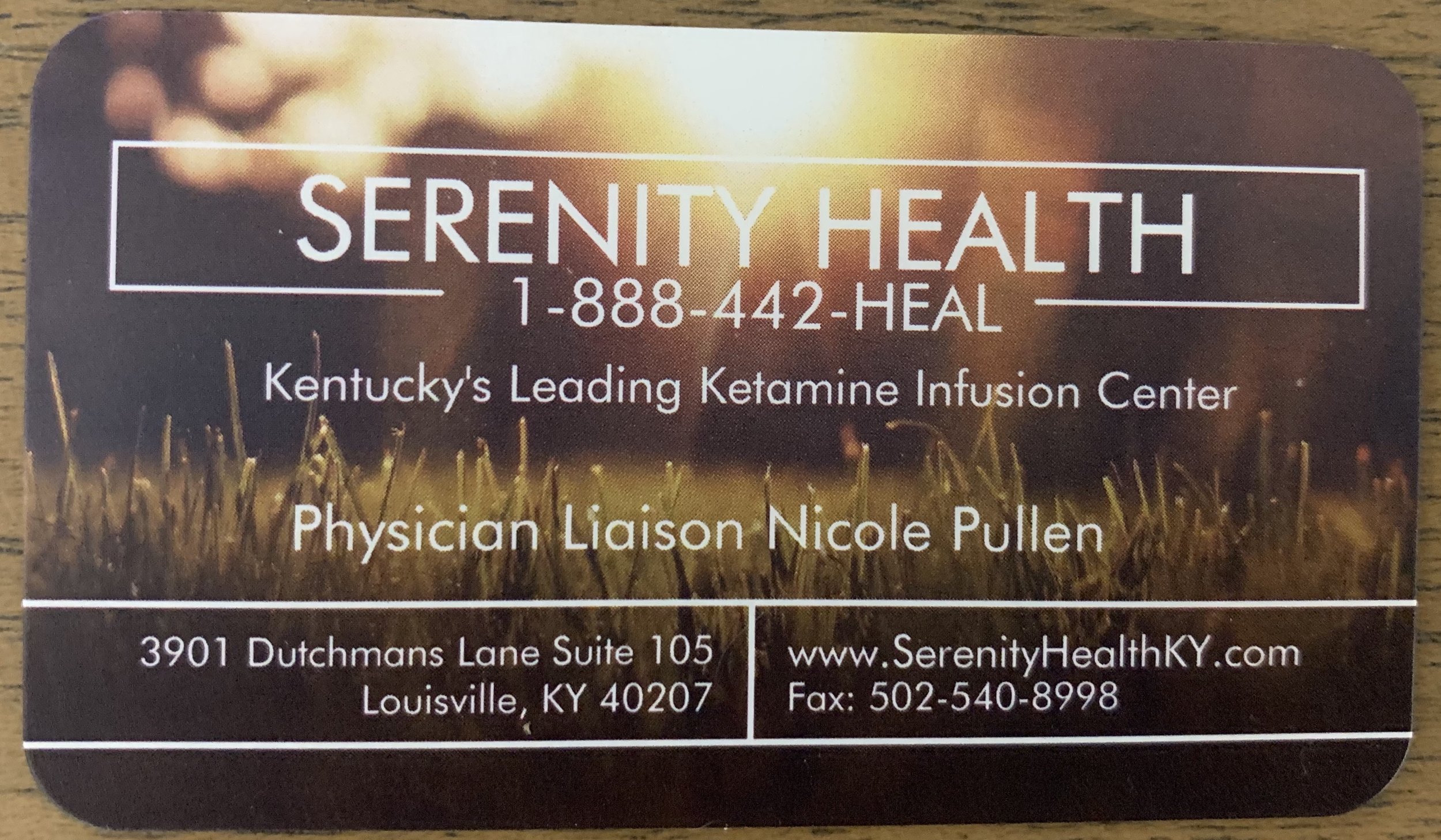
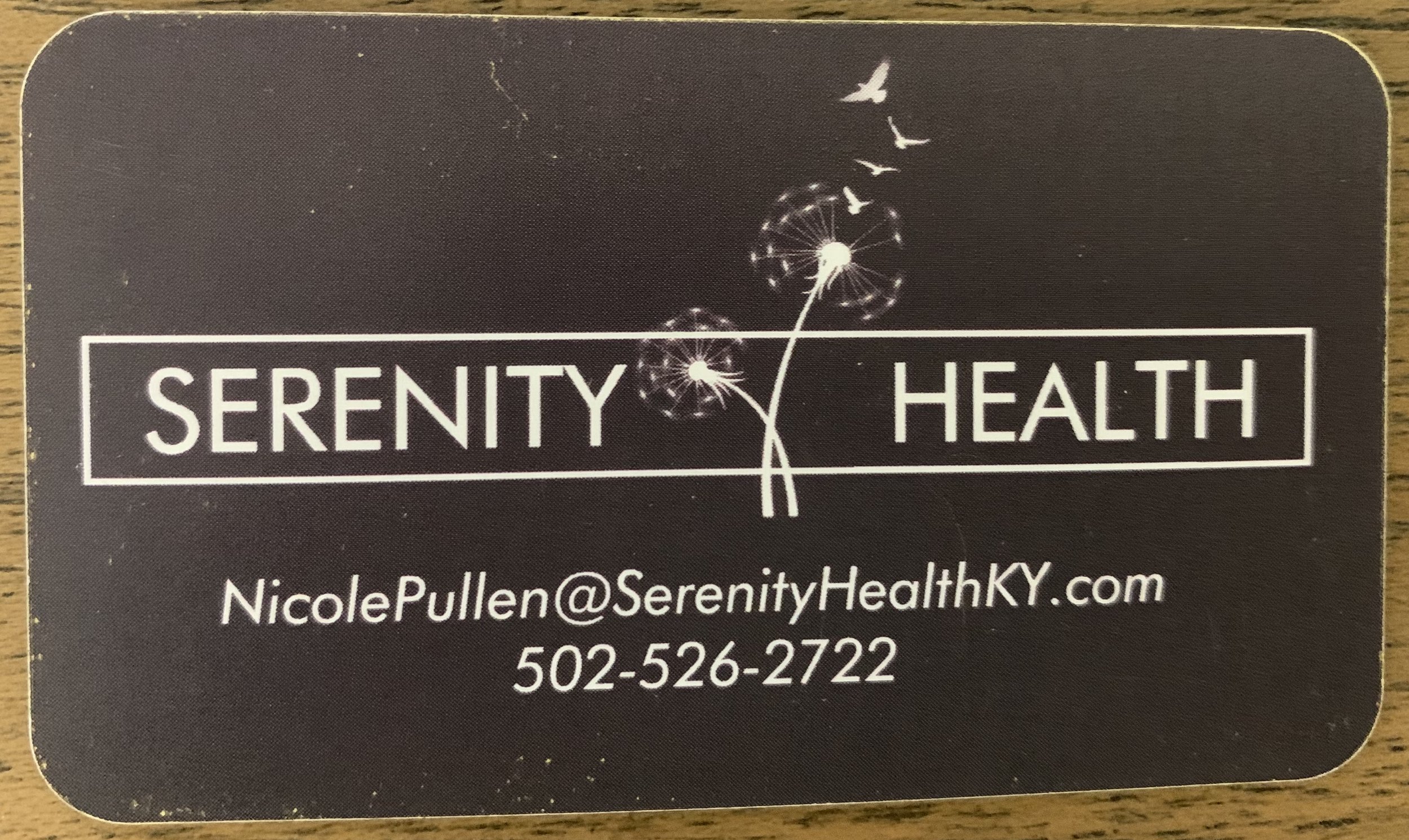
There are lots of options. All different shapes, sizes, and thickness. Think practically when picking the shape and size of your card and choose something that aligns with your brand. I personally went with a square card for one of my businesses and get a lot of positive feedback on it. Caution to getting business cards that are too small, or odd shapes because you don’t want people to misplace them and you want people to be able to put them in their wallets.
What colors should I use?
Be consistent with your branding colors. For example, if your office and website are all light and whimsical, don’t make your cards black or with bright colors. Remain consistent with the same color palette and maybe just use different shades of those colors.
How many do I order?
The more you order the cheaper they will be per card. But I would start out with 100 or so to see how you like them, and what feedback you get (if any) when handing them out. From there I would make changes if needed and then order more to ensure you don’t run out.
So now that your informed on what should be on a business card, you might be thinking “why do I even need a business card, it’s not 2001” or “what do I even do with the business cards when they arrive.”
Find out why your business still needs business cards here.
Find out what to do with your business cards when they arrive here.

Shannon Gonter, LPCC, Owner and Founder of b.mindful Louisville
Have additional questions? Feel free to message me and ask!
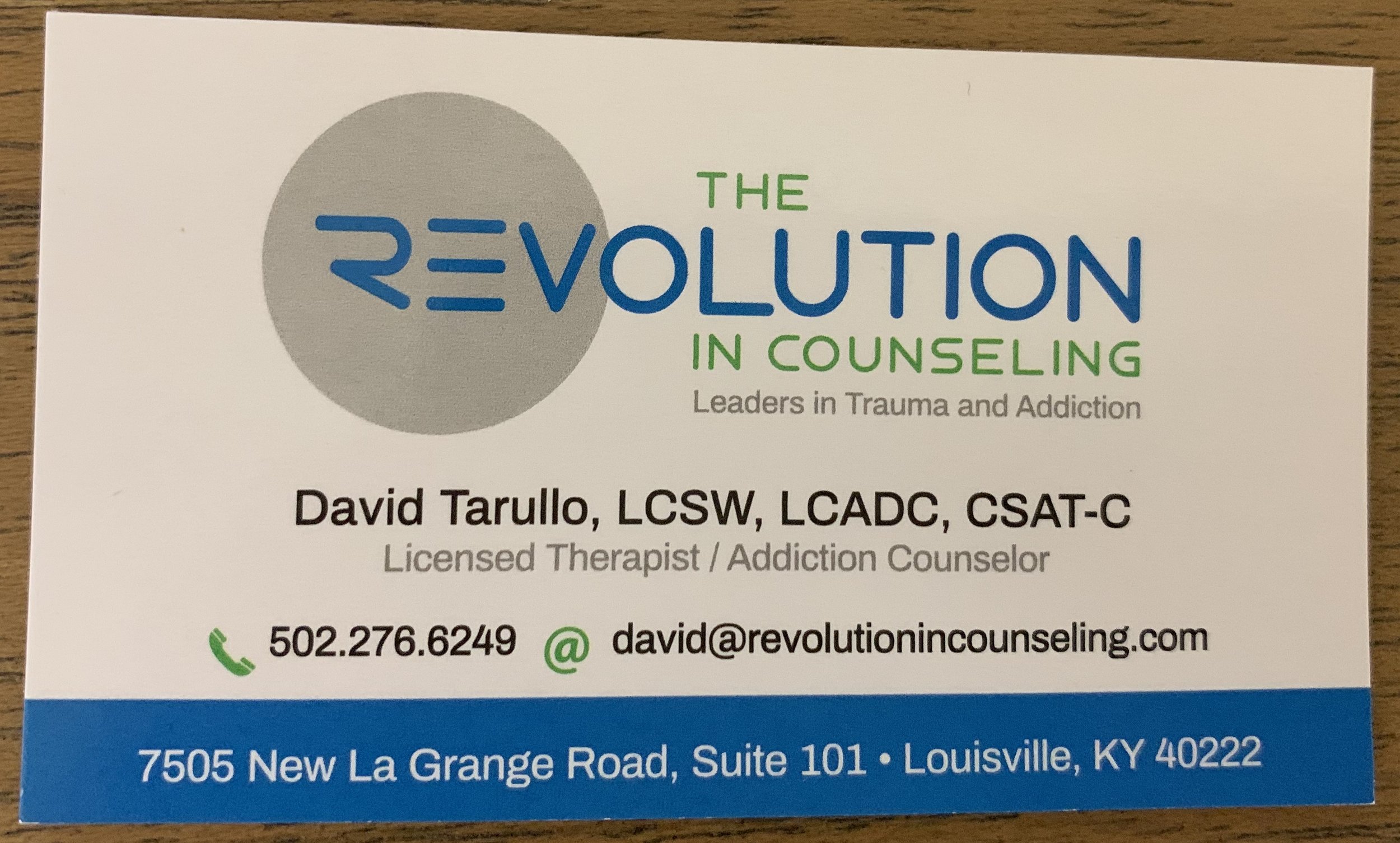
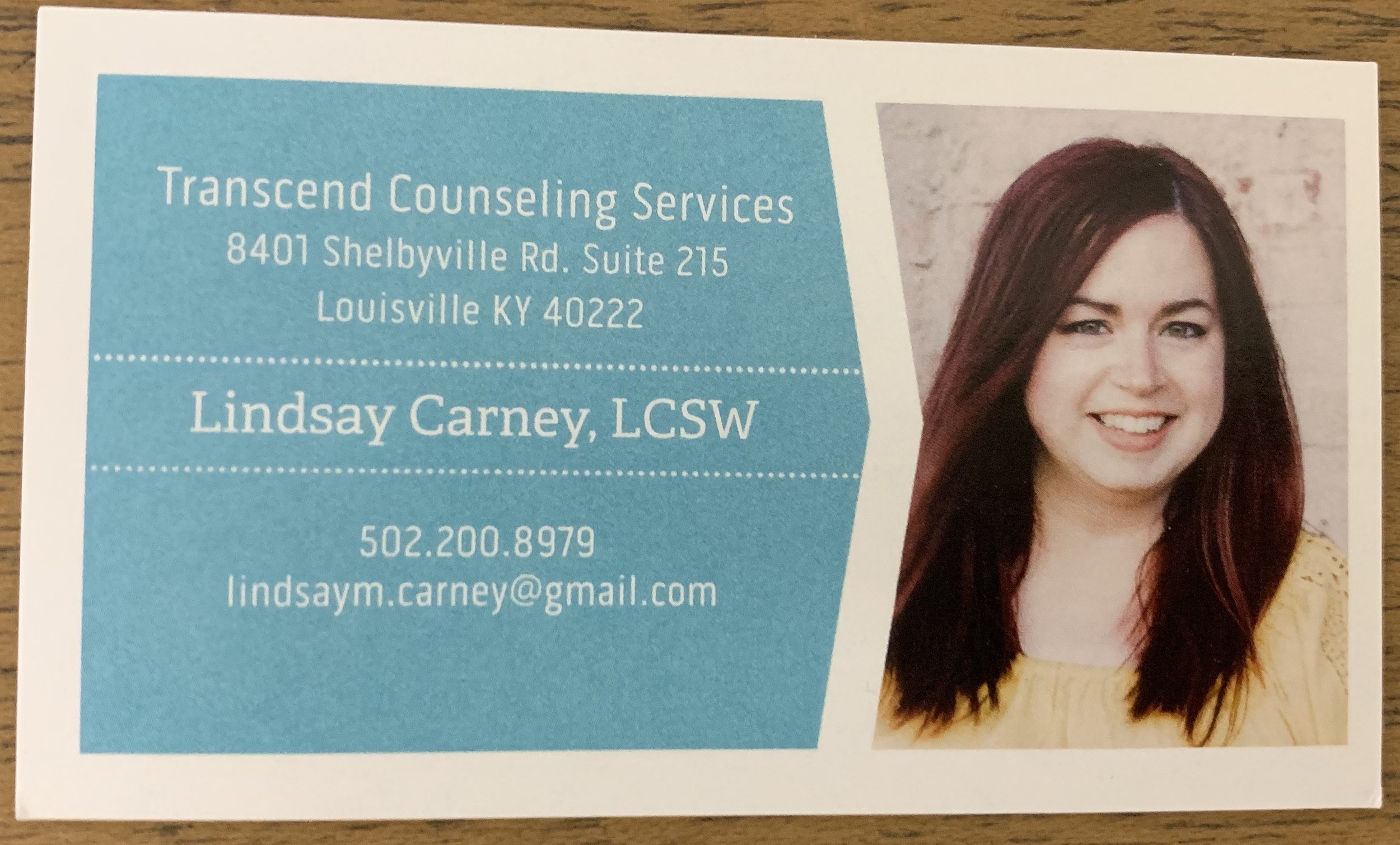
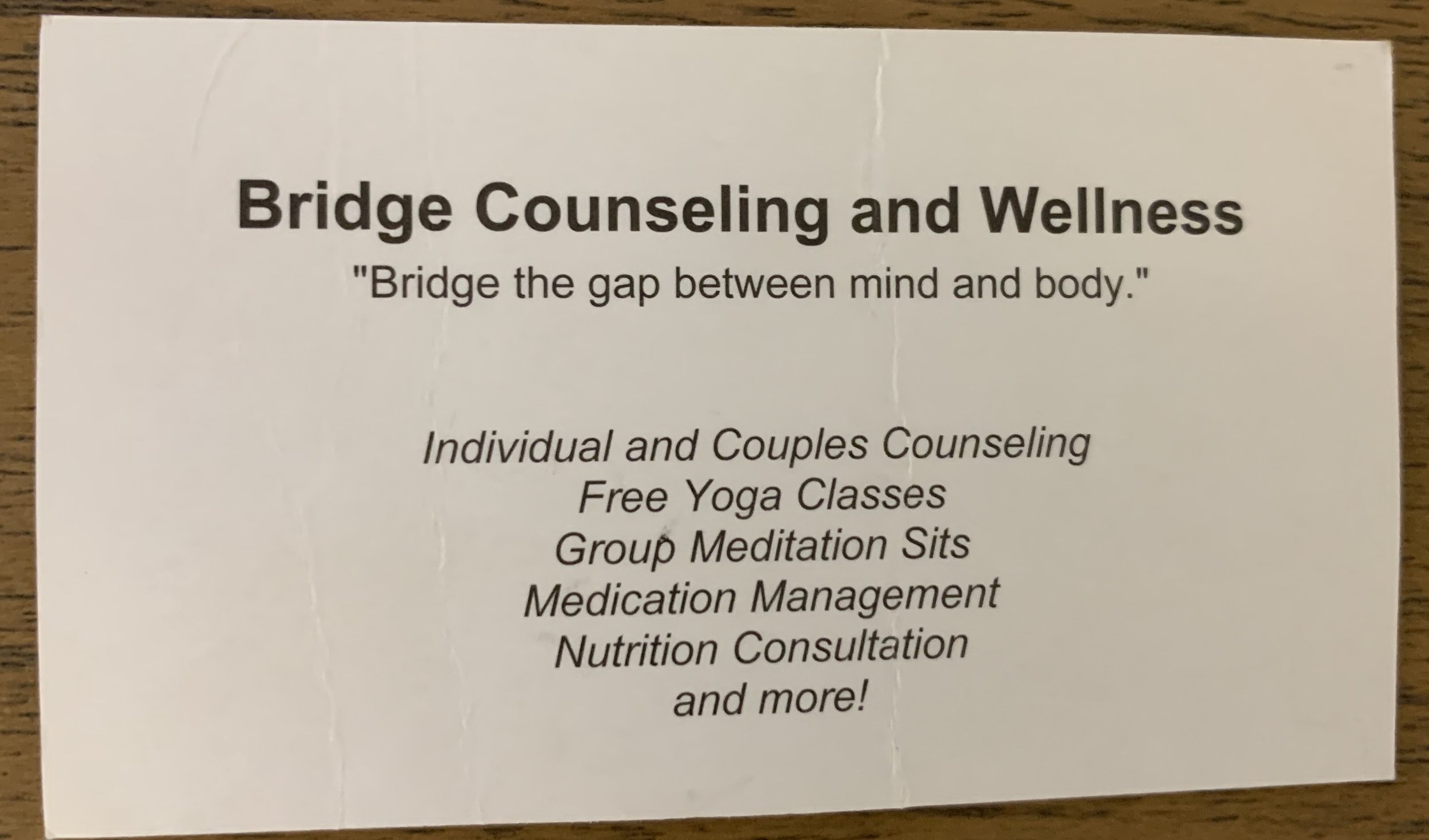
*permission was granted by business owners to use their cards as examples

Benefits Of Business Cards
Even in today’s digital era, business cards definitely still have a place in the business world. A business card can be what makes or breaks their first impression of you and your business. A well designed, informative business card paired with a solid handshake will leave an impression at your next networking event, the good kind. It should be considered one of the first pieces in marketing your private practice or consultation business.
I hear you out there saying, “Business cards? What?! Who uses those anymore? It’s not 2000 anymore.” Sounds so old school, right? I know, I know but even in the digital age we shouldn’t forget about print marketing. It still has a place in this world and personally I think it’s a vital one.
With a majority of our marketing efforts directed to digital marketing platforms it is easy to forget about or discard the benefits of some print marketing, such as business cards. Now don’t get me wrong, digital marketing has been a game changer in many ways and even with our relationship to business cards. There are now tons of apps out there that organize your business cards and make connections for you. Therefore, making it easier for you to follow up and keep track of them opposed to throwing them in a drawer and never looking at them again.
5 Things You Didn’t Know About Business Cards
1. Business cards are one of the cheapest, most effective marketing tools
Digital marketing (email campaigns, SEO, social media, paid media…) are all great tools to use to attract leads and prospects, but they require more money and possible outsourcing. Business cards are something that you can 1) design by yourself 2) afford easily 3) execute by yourself. No matter how much money you spend on your marketing efforts, nothing is going to pay off more than an in-person meeting sealed with a handshake along with a business card exchange.
2. Business cards can assist you in remembering things
How many of you have been at a conference, meeting or networking event and strike up a conversation with someone, become interested in what they do, and then they have to leave and you don’t get to finish the conversation. So, you’re left thinking “Wow Sally was really great, and her business sounds so interesting and there would be some overlap in the clientele we see, I wish I knew her email address to follow up with her.”
. . .
WELL if you had business cards and were able to exchange cards before leaving the conversation, you would have the physical card and information to remind you to follow up with her to continue that conversation and to build the relationship and referral base.
3. Business cards are more personal than digital connections
Networking is all about making genuine, long lasting connections with people. Though it can be more convenient to whip out your phone and get their email or phone number; it isn’t as personal. Making eye contact, having an engaged conversation and then exchanging business cards at the end is going to show the other individual that you are confident, capable and professional. And honestly, we all know that once you get your phone out, it’s not that easy to put it away, and you don’t want to be that person at a networking event sitting in the corner on their phone.
4. Business cards could be the first interaction someone will have with your brand
Think about those big-name brands you buy and interact with every day. What are some words that come to mind after hearing those liked, and familiar brands? Hopefully they are good words, and if not, maybe rethink interacting with a company that doesn’t leave you feeling good. So, applying this to you, for your business brand you want to ensure that you are leaving people with a calm, welcoming, warm (or whatever you are hoping to evoke) feeling and not a cheap, cold, or unapproachable (or whatever you are hoping to avoid) feeling. Use this thought frame work when designing your business cards, because your business cards may be the first interaction someone has with your brand.
5. Having business cards available shows others that you are prepared
Just imagine this. You are talking to two individuals who both spark your interest and you want to connect further with them, so you ask them if you could get their email to continue this conversation at a later date. One reaches into their bag and is scrambling to find a pen and a piece of paper to write their email down and the other one reaches into their wallet and hands you a business card. Just based on this interaction, who would you want to reach out to first? Showing that you are prepared at all times is a great indicator that you are a true professional.
So now that you’ve learned some new things about business cards and are thinking about getting some for your small business, bet you have some questions that popped up.
Like…
Where do I order business cards? What do I write on the business card? What shape business card should I get? What colors should I use? How many do I order?
Find all those answers and more, here.

Shannon Gonter, LPCC, Owner and Founder of b.mindful Louisville
Have additional questions? Feel free to message me and ask!

Financial Planning For Mental Health And Wellness Professionals
In today’s blog post, I ask my financial planner, Mary Williams, CFP®, MBA, Vice President, Investments with Raymond James and Associates some questions about personal and business finances and how to navigate this world as a solo entrepreneur or a small business owner.
In today’s blog post, I ask my financial planner, Mary Williams, CFP®, MBA, Vice President, Investments, Wealth Management Solutions of Raymond James & Associates some questions about personal and business finances and how to navigate this world as a solo entrepreneur or a small business owner. Mary Williams became a CERTIFIED FINANCIAL PLANNER™ professional 16 years ago with the intent of helping others, specifically woman, become more educated about and empower them to take charge of their financial well-being and futures.
Interview:
Shannon- What is the difference between a financial planner and an accountant?
Mary- A financial planner is someone who can assist you in reaching your personal and professional financial goals. With individuals who are self-employed the lines between personal and business finances become quickly blurred. A financial planner is trained to work with you to set clearly defined goals and work with you one on one to create a detailed plan with steps to help you get there. Whether it be saving for retirement, buying your first house, or wanting to expand your office location; a financial planner can assist you in looking into the future so you can live now but also have appropriate assets set aside to reach those goals.
An accountant is a great person to have on your team and a fantastic resource in general (even if you are good with numbers). They can assist you in managing your day in and day out numbers of your business. For example, your accounts payable, accounts receivable, tax planning, filing your taxes, etc. They will assist you in getting your numbers straight in order to see what the health of your business is and what the future steps you can take to profiting even more.
Shannon- Tips to effectively put away and save for taxes, emergencies, business expansions, etc.
Mary- For both your personal and business finances, I think it is most helpful to have different savings accounts for your goals and to have a set amount directly deposited from your checking to your savings. So, for your business maybe you have a different savings account for self-employment taxes, emergencies, future office expansion growth, etc. and for your personal you have an emergency fund, a vacation fund, a house reno fund, etc.

Shannon- What are some of the specific plans that small business owners can look into for retirement?
Mary- Dependent on your business structure there are several different options. If you are a solo entrepreneur you can contribute to a Traditional IRA, SIMPLE IRA, or a SEP Plan. A financial planner could assist you in deciding what the best fit for you would be since each of the plans has different limits and benefits.
Shannon- How much of someone’s total income should be put into a retirement account? What is one thing that someone can do today to save more for retirement?
Mary- It’s not a straight forward answer because it’s based on what lifestyle you live now, and what lifestyle you want to have in retirement, but ideally 15%-20%. Now don’t let that number scare you. A lot of people say, “oh no I cannot do 20%”, so they don’t do anything. If you start little by little and build your way up its going to pay off in the end. You’ve got to start somewhere so maybe it’s at 3%-5% right now, and that’s fine. Every time you get a pay bump you can contribute more and more until you reach that 15%-20% range. When you get an influx of income, or a raise, don’t look at it as “oh now I have more money in my pocket I can go get a new car” but more so of “oh now I have more money, I can now fund my retirement, new house, business expansion account to the levels I want.” This mindset will allow you to be more intentional in your purchases as well as being preventative for the future!
Shannon- What is your opinion on how much money one should have saved in their personal savings account for emergencies? What about for their business savings account for emergencies?
Mary- For your personal emergency account, if you are the sole provider in your household, I suggest having enough in there to cover your expenses and current lifestyle for 6 months. For your business emergency fund, I would suggest having enough to cover the overheard costs for a minimum of 6 months.
Shannon- What is the #1 financial mistake you see people doing within their business?
Mary- This is a tough one. I have two that stick out to me. 1) Putting 100% of the business profits back into the business. By doing this the business owner is not paying themselves, not putting away for taxes, not saving for emergencies, retirement, vacations, etc. 2) Individuals who are starting a business later in life, possibly as a 2ndcareer, sometimes drain their current retirement fund and investments to fund their new business. By doing this, they are putting themselves in a very risky position and providing themselves with limited cushion to fall back on if their business is not as successful as planned.
Shannon- Do you have any advice for business owners who are struggling with how much they should pay themselves? Should they take 100% of the profits? Take a smaller percentage?

Mary- This isn’t a straight forward answer, but after your business is turning a profit, you need to pay yourself enough to live the lifestyle you want. For some that make be close to 100% of the profits and for others that may look more like 50%, dependent on your lifestyle. I sometimes find it easier to work backwards in situations like this and figure out how much money each month it takes to live the lifestyle your living with the business that you are running and then figuring out what you need to pay yourself to cover your expenses plus funding your personal and business savings accounts.
I would definitely fund your emergency accounts first (and don’t dip into them unless it’s for an emergency), and then start putting a little bit away at a time for your retirement, buying a new house, expanding your business, etc. The most important thing though is to start putting away for your retirement early. So many people say, “I don’t have enough to fund all these accounts, so I just won’t put away for retirement because I am 20, 30, 40 years old…”. Problem here is that most of those people don’t just put it off for a year but continue putting it off until they are nearing the age of retirement. If done appropriately, or with the help of a financial planner, you will be able to fund all your accounts little by little and be able to live the lifestyle you want to now and in the future.
Shannon- What is one thing you would like to tell all practice owners with regards to financial planning?
Mary- To not be embarrassed . Whether it be about how much or how little money you have, or about admitting that you haven’t been saving for your retirement as you should have been, or maybe not even at all. Allow yourself to face your fear of not wanting to share this with someone, because if you don’t tell someone, they cannot help you and therefore you will just remain stuck in a place you don’t want to be.
I provide a complimentary hour session to meet with individuals and sort through their personal and business finances. We use this time to evaluate their current state and assess if they are on the right path to meeting their goals. If not, then we explore the different options they have and possibly what working together might look like.
Closing notes:
We’ve all got money issues and as mental health and wellness professionals we know that issues are normal and at times unavoidable. But we also know that if we ignore our issues they can turn into negative patterns and sometimes even derail us from reaching our goals. With this knowledge, along with the fact that what the future has in store for us is unknown. We need to do all that we can to plan for and take control of our financial futures. If you are not already connected with a financial planner, I would highly suggest adding “research and meet with a CERTIFIED FINANCIAL PLANNER™ professional” to your to do list (and then actually doing it)!
Below are some addition resources Mary Williams pulled together that may be beneficial to your business.
Retirement Plans For A Small Business
Contact information:
Mary T. Williams, CFP®, MBA
Vice President, Investments
Wealth Management Solutions of
Raymond James & Associates
100 North Point Center East, Suite 300
Alpharetta, GA 30022
678-746-1503

Have additional questions? Feel free to message me and ask!
I’m Shannon, a professional counselor, that understands the importance of having a safe space to practice in, consulting, networking, having a solid referral list, and being around other like-minded professionals.
*Any opinions are those of Mary Williams and not necessarily those of Raymond James. The foregoing information has been obtained from sources considered to be reliable, but we do not guarantee that it is accurate or complete. Expressions of opinion are as of this date and are subject to change without notice. Investing involves risk and you may incur a profit or loss regardless of strategy selected. Raymond James financial advisors do not render advice on tax or legal matters. You should discuss any tax or legal matters with the appropriate professional.
Links are being provided for information purposes only. Raymond James is not affiliated with and does not endorse, authorize or sponsor any of the listed websites or their respective sponsors. Raymond James is not responsible for the content of any website or the collection or use of information regarding any website's users and/or members.
Certified Financial Planner Board of Standards Inc. owns the certification marks CFP®, CERTIFIED FINANCIAL PLANNER™, CFP® (with plaque design) and CFP® (with flame design) in the U.S., which it awards to individuals who successfully complete CFP Board's initial and ongoing certification requirements.
Raymond James & Associates, INC ., member New York Stock Exchange/ SIPC

4 Tips To Save Big When Opening Your Practice
When considering opening a business, one of the first obstacles you face may be the required financial investment. This doesn’t have to be a barrier to starting your private practice though. I have compiled 4 tips to save money when starting a business that can help ease some of the financial investment of a start up.
Opening a business is obviously going to require a financial investment on your end, and that reality can really suck sometimes. A recent article I read stated that:
“I learned that it is possible to pursue business ownership with around $15,000. To go big places, you’ll always need more money. But you can start out with very little as long as you take care of some careful planning and are passionate about your company.”
Great words of wisdom, but a majority of mental health and wellness professionals don’t have an extra $15,000 laying around (sure would be nice though!). Heck, most people don’t even have an extra $1,000 hanging out in the bank.
So, what do you do when you have limited financial backing but still really want to open up shop?
Unfortunately, a lot of people’s answer to this is to not start their private practice because they think you need to have thousands to do so.
This reality doesn’t settle well with me because I am a firm believer that everyone should be able to follow their dreams and get there in whatever fashion suits them best. Remember that being in private practice is a commitment to be an entrepreneur and being an entrepreneur is a commitment to thinking outside the box.
If you are having a hard time thinking outside the box on money saving tactics, keep reading and I will connect you with resources so you how you can lower your overhead costs and turn a profit even faster.
4 Tips To Save Big When Opening Your Practice
Use shared office space

b.mindful Louisville Group Room (Moberly Photography)
When another therapist isn’t using their office, you could use it! No one works 24/7, therefore freeing up some time that an office is sitting empty and could be subleased out to another clinician. Similar to this, there are specific companies, like b.mindful Louisville, that are dedicated to supplying mental health and wellness professionals with safe, clean, modern and practical offices to use for their practices. These are great cost-efficient options for those just starting out or for those that don’t want to hassle with the big investment of first/last month’s rent, furnishing, decorating and upkeep of an office.
Skip the advertising
A big mistake people make in the beginning stages of opening their private practice is funneling a lot of money into marketing, and frankly this just isn’t necessary right at the start. In order to have an effective advertising campaign one must have a clear marketing message, have disposable income to test what works and what doesn’t, and have the goal of bringing in the masses.
For most mental health and wellness professionals we don’t have a clear marketing message in the beginning, don’t have tons of extra cash flow (hence why you find yourself reading this blog) and don’t need to bring in 1000s of clients. Instead of spending money on advertising right now, what you should do is hone in on your marketing message. You can do this by attending networking events, clinical trainings, and talking with other professionals about what it is you do and taking note on how they respond. With this data, you can then tweak your message and elevator speech to ensure it is clear and to the point.
Use social media
In order to have a good website and maintain your SEO appropriately you will either have to hire out (and spend hundreds or thousands of dollars) or you will have to dedicate time out of your weeks to build out and maintain your site. If you have the extra $ to hire out, go for it, or if you have the drive and excitement to build out your site and learn the ins and outs of SEO for yourself, go for it. But if you are strapped for cash and aren’t digitally savvy or have any desire in learning SEO take advantage of the free online tools that are already out there!
Google+: Allows you to add your business so you’ll pop up in Google local searches.
Facebook: Allows you to create a professional looking business page that other professionals and clients can interact with all while keeping your personal page private. Also it is very easy to link your FB and Instagram accounts so everything posted on Instagram is automatically posted to Facebook.
LinkedIn: Perfect to connect with other professionals and also provides a free blogging platform.
Instagram, Twitter, Reddit: Depending on the age of your ideal clientele, it may be beneficial to have one of these accounts as well in order to meet your clients where they are hanging out.
YouTube: Fantastic, free video platform to post Q&A, interviews with other professionals, and provides a great space to reach your ideal clients via video.
Take advantage of the free incentives that directory sites offer
Majority of the online directories will offer between 1 - 6 months free if you were referred by a current member, so be sure to take advantage of this! Reminder to take your time when writing your profile, and don’t rush through it to get something posted quickly. This may be the first interaction a prospective client has with you and you want to ensure you come off as calm, professional, competent, welcoming and approachable. If you are having a hard time figuring out how to do all of this, check out this amazing resource!
Final Takeaways
There are many ways to save when starting your private practice, and I decided to just touch on 4 of the most important ones in order to not overwhelm the most likely already overwhelmed business owner!
The difference between been an entrepreneur and a smart, long-lasting entrepreneur is the ability to know when to pull back and allow others to assist you and when to jump in and get your hands dirty doing it yourself. If you feel like you are stuck in the middle and don’t know where to turn, don’t hesitate to reach out to Shannon with b.mindful Louisville and see how our office rentals, supportive community, and business building resources can assist you and your business.
But remember that you can do it and that you aren’t alone!

Shannon Gonter, LPCC, Owner and Founder of b.mindful Louisville

Shared Office Space VS. Traditional Office Leases
For most solo entrepreneurs, working from home is the most affordable option and the easiest. But for a mental health or wellness professional, working from home may not be an option due to the unique needs of a mental health or wellness practice. Traditional office leases don’t always understand these unique challenges, which is why shared office spaces, like b.mindful Louisville, are a better fit for many private practices.
For most solo entrepreneurs, working from home is the cheapest option. But with domestic distractions and the loneliness that often creeps in when working for yourself, working from home is not always the desired choice.
Focusing specifically on mental health and wellness solo entrepreneurs, having your sole office at home is not always desirable or may not even be an option due to the unique needs of mental health and wellness private practices and your clients, as well as concerns with confidentiality.
One of the downsides to being a solo clinician is a loss or lessened sense of community. This can have drastic and direct impacts on your work/life satisfaction and your ability to grow and scale your business. Specifically, for mental health and wellness professionals whose chosen careers are already so demanding of your intentional time and energy.
When looking for an office space, if finding the right office, furnishing it, keeping up with the bills/supplies and finding someone to sublease the space when you are not using the office… does not sound appealing to you; you might be in the market to rent within a shared office space. There are several benefits to doing so, and even more if that space was designed with mental health and wellness professionals in mind.
Below we will focus on b.mindful Louisville, which is a shared workspace for mental health and wellness professionals in Louisville, KY. We will dive into the perks you can expect when renting an office within their co-working suite.
Perk 1. Affordable Office Space
In order to sign a lease for an office most landlords require first and last month’s rent and a security deposit. Whatever your monthly rent is, this will be a hefty amount to fork over to someone before seeing your first client. On top of that, you now have to furnish the office, stock said office with supplies, and ensure that your electric, water, and WiFi bills are paid on time each month.
While running a business, that often comes with unexpected events; keeping track of the bills, supplies and the upkeep of an office can often push us over the edge from being busy to feeling overwhelmed. In order to avoid this, it would be in your best interest to rent from a shared workspace. Shared workspaces work from a unique business model which allows them to split the costs of furnishings, utilities and amenities across several tenants making it affordable for all.
Perk 2. High End Office Décor And Better Location

With most things in life, some of the best things come with a high price tag attached to them. But with shared offices spaces, the tenants are able to get the best for an affordable cost. With every rental, tenants will get high end, durable furnishings and a convenient location for an affordable monthly price due to the benefits of its unique business structure. b.mindful Louisville is located in the Bashford Manor neighborhood, directly off the Watterson Expressway with easy access to downtown, South Louisville, the East End and public transportation.
Perk 3. Fast Setup
By eliminating your need to buy furniture, décor and office supplies you save money and there is no need to block off an entire weekend to move and set up your office. b.mindful Louisville offices are furnished and ready for you to start seeing clients the second after you sign your lease!
Perk 4. Free Amenities
Within traditional leases and having your own office space, you are responsible for paying utilities, supplies, amenities, etc. With shared office spaces all of that is included in the cost of your rent. For example, if you rent a 4.5 hour block from b.mindful Louisville one day a week, you will have access to all the same amenities that an individual who rents 4 full days a week has.
Some of the most popular amenities are free coffee and tea for you and your clients, WiFi access, print/scan/fax, separate entrance and exit for clients, onsite parking, professional cleaning services and a built-in like-minded environment. Having these extra perks custom to your private practice’s unique needs makes this office rental much more than just a physical space. Learn more about the amenities included in every b.mindful Louisville rental here.
Perk 5. Flexible
Some of the benefits of being a mental health or wellness professional in private practice is that you know have higher levels of autonomy and flexibility with what clientele you will see, when you will see them and for how long. Unfortunately, traditional office leases do not align with the unpredictability of life and your caseload. Below is an example of how a clinician that was new to private practice used b.mindful Louisville rentals without having to make large business sacrifices.
Tenant started out with 1 block rental (4.5 hours) and used the 1st month to logistically set up and start marketing her practice before having any clients. She said the office space was extremely helpful for her to have a space outside her house that she could go to clear her mind, knock out her to do list and have other clinicians around to bounce ideas off of. After a lot of time and effort put into the start up of her practice, she got her first few clients! After some more hard work in the networking arena, her case load out grew her 4.5 hour block rental so she decided to start a new lease and do a 24 hour rental to accommodate her growing practice.
Here at b.mindful Louisville, we understand that a majority of you in private practice are in it because you love being an entrepreneur, and love the flexibility and autonomy brought forward by working for yourself. Therefore, if the office space is available, we are always willing to start you a new lease in another office that better meets your growing private practice’s needs.
Perk 6. Opportunities For Networking
Not all co-working spaces, or shared offices emphasize community, but b.mindful Louisville does. Being a tenant of b.mindful Louisville is so much more than just writing a monthly check to your office landlord. We are interested in creating a like-minded, safe environment for you and your clients while providing you with full-service amenities and serving you to the best of our abilities.
Final Thought
It is important to note for mental health and wellness professionals, that not all fully furnished office rentals are created with your specific needs in mind. At b.mindful Louisville, we take security and confidentiality very seriously in order to create a like-minded supporting environment and to ease the process of being a human helper.
We would love to show you the space and learn more about the wonderful services you are providing to our community. Feel free to browse our website and reach out to schedule a tour.
Have additional questions? Feel free to message me and ask!

I’m Shannon, a professional counselor, that understands the importance of having a safe space to practice in, consulting, networking, having a solid referral list, and being around other like-minded professionals.

Worry Free - Full Amenity Office Rentals
b.mindful Louisville provides safe, clean, practical, & modern offices tailored specifically to meet the needs of mental health and wellness professionals in private practice. We make it easy for you to enter your office each day feeling secure, confident, and prepared to tackle what the world brings to you.
b.mindful Louisville provides safe, clean, practical, & modern offices for mental health and wellness professionals in private practice. We make it easy for you to enter your office each day feeling secure, confident, and prepared to tackle what the world brings to you.
We know the work mental health and wellness professionals do is so important, and vital to our community’s success, and we understand how demanding these chosen careers are on your mental, emotional, cognitive and physical energy levels. Therefore, we don’t want you to have to do anything more than run your business. We handle the maintenance of the office, paying of the bills, stocking of office supplies/amenities and many more so you can focus on your clients’ needs and the growth of your business.
Below are our amenities included in every rental:
Practice Building Resources
From the baseline physical criteria needed to open a private practice, to the clinical must haves, and the items to do and figure out while growing your practice. We’ve got the support and resources available for you to use to build and create a thriving practice.

Private waiting area
With separate entrance and exit to ensure client confidentiality, complimentary drinks, reading material and a revolving slide show displaying the clinicians in the space, as well as upcoming local events.

Professional collaboration
Bond with your office mates, & build a community of like-minded individuals that can assist each other in becoming the best mental health & wellness professionals possible.
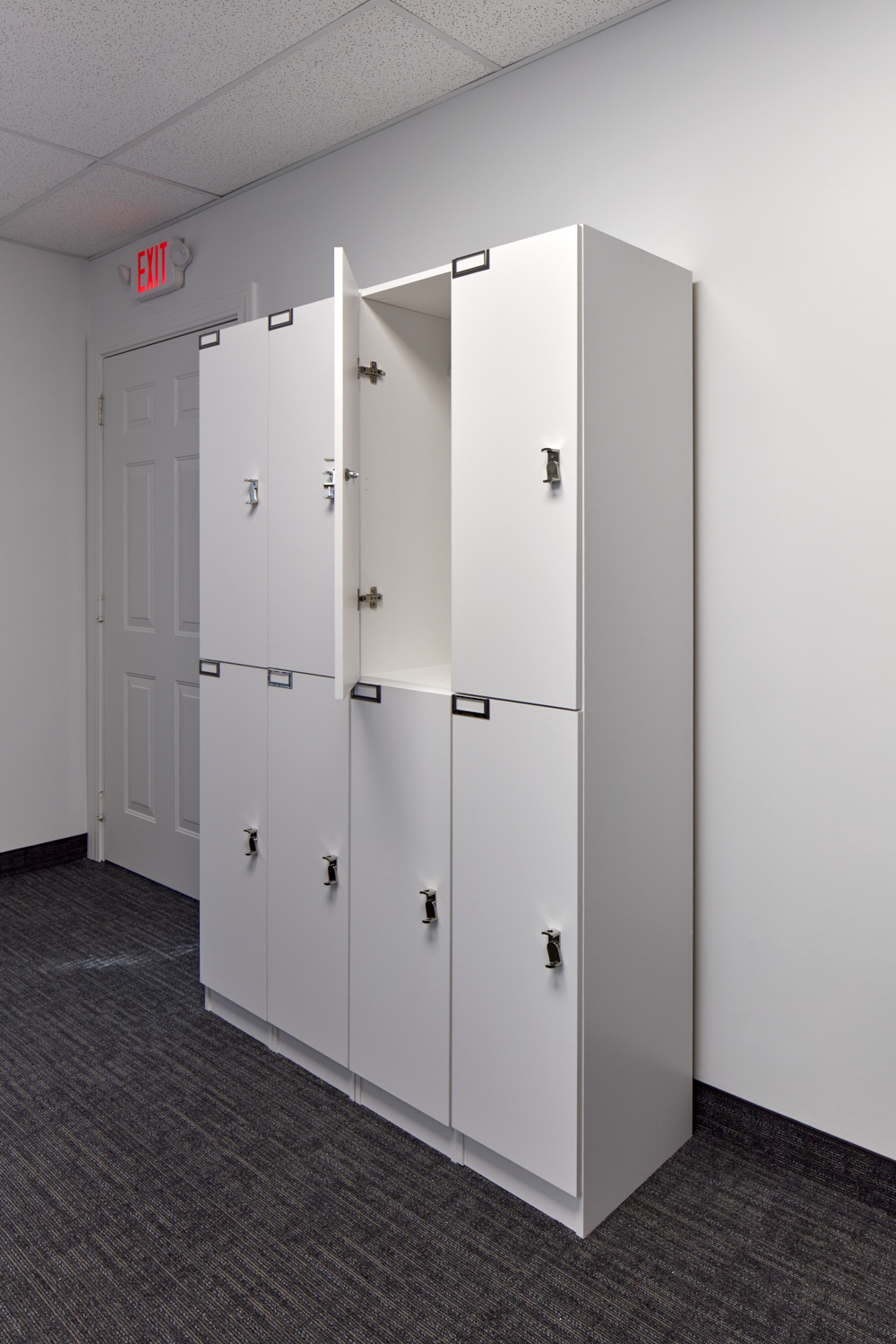
Secure personal & file storage
In office shelf storage, break area storage, HIPAA compliant file cabinet, and locked lockers for purchase.

WIFI & printing
High speed WIFI provided. As well as printing, scanning and faxing services.

ADA compliant
First floor office suite with two ADA compliant restrooms and 8 offices.

Office supplies
All supplies included in cost of rent. Includes: paper, pens, highlighters, envelopes, tissues, etc.

Smart locks
Heightened security measures for your clients, you and your items.

Cleaning services
Weekly cleaning services provided by professionals.

Modern design
Newly renovated and fully-furnished office suite outfitted for mental health and wellness professionals.

Parking
On-site parking for you and your clients.

Mailing address
For your business in order to separate and protect your home address.

Complimentary drinks
Coffee/tea/water available for you and your clients.

Commuter friendly
Conveniently located in the Bashford Manor neighborhood. Directly off the Watterson Expressway with easy access to downtown, south Louisville, the east end and near public transportation.

Table & chairs
Treatment table provided for providers who do energy work, and extra chairs (12) available for those who do family, or group work.

Easy access to office manager
Renting from b.mindful Louisville is so much more than just writing a monthly check to your office landlord. We are here to walk by your side & ease the process of being an independent service provider.
By becoming a part of our community, you will be provided with the like-minded support network that you so desperately need in this field, as well as all the furnishings & amenities to support your thriving practice.
Renting from b.mindful Louisville is so much more than just writing a monthly check to your office landlord. We are here to walk by your side & ease the process of being an independent service provider.
Call us at 502-528-1363 for a tour of our space, or click here to schedule a walkthrough.

Shannon Gonter, LPCC, Owner and Founder of b.mindful Louisville
Have additional questions? Feel free to message me and ask!
I’m a professional counselor and understand the importance of having a safe space to practice in, consulting, networking, having a solid referral list, and being around other like-minded professionals.