
Before, During & After A Networking Event
With most important things in life there are multiple steps and items to keep in mind before, during and after said event. So networking isn’t going to be any different (and yes networking is important). So let’s jump right into it.
With most important things in life there are multiple steps and items to keep in mind before, during and after said event. So networking isn’t going to be any different (and yes networking is important). So let’s jump right into it.
Things to keep in mind BEFORE a networking event
Do your research
What event are you going to?
Who is hosting the event?
Is there a public guest list? (to see if you know anyone else going)
What time does it start?
Is the entire event networking or is only the first 30 minutes open networking and then a talk
What’s the address?
Do you know where to park?
Dress appropriately
Is there a dress code?
Sometimes better to be overdressed than underdressed
Practice your elevator speech
Keep it short
Keep it light
Practice to make it sound natural
Get materials ready
Business cards
Promotional material (if allowed at event)
Name tag
Power in numbers
If allowed, take a friend :)
But if not, know that you will not be the only one there flying solo. Majority of people go to networking events alone and are just as nervous as you!
Things to keep in mind DURING a networking event
Name tag etiquette
Write legibly
Use your first and last name
Place it within ones eye sight line on the right side of your body
Keep your phone in your pocket/purse/bag/etc.
You will look busy to others if you are on your phone
Busy people typically don’t look approachable
Hand out your business information
Don’t let it be the first thing you do though
Don’t be pushy
Shake their hand first and/or have a conversation before handing out your cards
Best practices to ask for ones consent or interest in having your card opposed to assuming they want your information
Be yourself (easier said than done)
Focus on yourself
Might help to focus on three of the most important qualities you want to shine through in your conversations (empathy, trustworthy, organized, good listening, “normal”, good eye contact, story teller…)
Things to keep in mind AFTER a networking event
Organize information collected from others
Business card or resources collected from events should be organized. If this isn’t done soon after the event, resources and cards can often get lost or forgotten about.
DIY excel sheet
Follow Up
Do it within 24 hours
How?
You can connect via email, LinkedIn or call (majority will prefer online communication so they can respond when is most convenient for them)
What do I say?
Mention a conversation from the event, offer to help, ask to meet up…
At b.mindful Louisville we only rent to individuals that are licensed or certified mental health or wellness professionals. Therefore, making it easier for our tenants to naturally network, consult and refer to each other within our like-minded community.
We also host bi monthly socials for our tenants to step outside the office, let their hair down and get to know each other in a non-clinical atmosphere. Our tenants love this and see heightened levels of success in their practices because of built in networking opportunities.
Want to learn more about us? Message and ask away :)

Shannon Gonter, LPCC, Founder and Owner of b.mindful Louisville
Shannon Gonter, licensed professional counselor and founder/owner of b.mindful Louisville understands the nuances of private practice and finds immense joy in assisting other mental health and wellness professionals on their journal in private practice.

Networking Categories
Networking is typically used in a very general or vague way and as mental health and wellness professionals we don’t typically spend much time digging deeper into how networking could benefit us or others. For those of us who want to dig deeper, the broadness of “networking” can be confusing. It makes us feel like we have to network with anyone and everyone, and then we get overwhelmed and just don’t network with anyone (which isn’t helping anyone).
Networking is typically used in a very general or vague way and as mental health and wellness professionals we don’t typically spend much time digging deeper into how networking could benefit us or others.
For those of us who want to dig deeper, the broadness of “networking” can be confusing. It makes us feel like we have to network with anyone and everyone, and then we get overwhelmed and just don’t network with anyone (which isn’t helping anyone).
In order to avoid getting completely overwhelmed we first need to spend time thinking about our ideal clients.
Who they are…
What they do…
Where they hang out…
Who they interact with…
What their hopes and dreams are…
Once we have this picture painted it’ll help narrow our lens and point us in the direction of who we should be networking with.
For example, if our ideal client is a father who has recently divorced and is struggling with co-parenting and the transition into single adulthood. I would suggest networking with divorce attorneys (an individual every person getting a divorce has to interact with) and gyms (somewhere a recently single male might join during this transitional period) over physicians or business coaches.
But if your ideal client is an entrepreneurial spirited man who struggles with “work life balance” and stress, I would network with physicians (men are more likely to seek help from medical professionals prior to mental health professionals) and business coaches (someone they may already be in contact with to assist them in building their company) over gyms and coffee shops.
Below we will outline and break down the specific networking categories for mental health professionals.
1.Community Groups
Group of individuals from like-minded and different occupational backgrounds than you, coming together for a common purpose (networking, volunteering, advocacy…).
It can be very beneficial to be one of the (if not the only) mental health professional in the room at these events. We all know how difficult it can be to navigate the behavioral health world, therefore we can be the natural advocate for our profession as well as the connector for others. Therefore, when the individuals we network with need mental health services for themselves, their loved ones, or friends; they’ll think of us and we will be able to work with them and/or refer them to someone who is a more appropriate fit.
On the local front, you should check out:
• Young Professionals Association of Louisville (YPAL)
• Louisville Urban League Young Professionals
• Etc.
On the national front, you should check out:
• Therapists in Private Practice (TIPP)
• Etc.
2.Influencers
People, businesses, and professionals that your ideal client already has a relationship with. Idea is to build a relationship with these individuals/businesses so you can stay at the forefront of their mind when one of their clients/friends/family members is seeking mental health services you can be the first on their mind!
Examples:
Medical Providers (physicians, holistic medicine, PT, OT…)
Attorney
Accountant
Bookkeeper
CPA
Financial planner
Coffee shop
Gym (yoga studios, Crossfit,barre studios, run club, Fit 4 Mom…)
Business Coach
3.Clinical
People who do similar things to you. Maybe they have the same license as you, or maybe they don’t. Maybe they use the same theories and modalities in session as you do, and maybe they don’t. Maybe they work with the same population and niche as you, and maybe they don’t. Either way, it is beneficial for you and your business to network and be around other mental health professionals. It will provide you with an increased network of support, larger referral and consultation base and increased exposure for your business.
You can reconnect with individuals you went to graduate school with (in person or online).
You can reach out to professionals within your office building. This may be easier for those of you in a group practice with other mental health providers or those that practice out of a shared workspace such as b.mindful Louisville.
You can join local therapist exclusive Facebook page dedicated to networking.
You can join a mental health organization and attend their meetings and conferences.
You can follow and connect on social media with local providers.
You can ask other professionals to a networking coffee date.
4.Other wellness professionals
Majority of our clients are on the path to wellness and may be interested in other wellness professionals’ services before, during or after their mental health treatment. Therefore, it is important to increase your awareness and connection with other wellness providers in your community.
Including:
• Prescribers
• Psychiatrists
• Psychiatric Nurse Practitioners
• Massage therapist
• Energy work providers
• Essential oil providers
• CBD oil providers
• Life coaches
• Fitness instructors or gyms
• Nutritionist or dieticians
• Etc.
Remember that the point of networking is not to just meet as many people as possible, but to build strong, meaningful relationships with these individuals and businesses as well. Therefore, the intentionality of who you network with is just as important as how you nurture that relationship going forward.
Here at b.mindful Louisville, we only rent to licensed or certified mental health or wellness professionals. Therefore, making it easier for our tenants to naturally network, consult and refer to each other within our like-minded community. We also host bi monthly socials for our tenants to step outside the office, let their hair down and get to know each other in a non-clinical atmosphere. Our tenants love this and see heightened levels of success in their practices because of built in networking opportunities.

Shannon Gonter, Founder and Owner of b.mindful Louisville

Fear of Networking
The overall fear of networking and “being seen” can stop a lot of us in our tracks from learning about and doing it. As individuals in private practice it is vital that we acknowledge our fear of networking and of being seen and get out there! In order for us to succeed and be able to help people, we need individuals to come see us. In order for them to know we provide services that they or a loved one might benefit from, we have to tell them. One great way to do this is with networking.
When I opened my private practice and started reading about the “powers of networking” and how if I didn’t do any marketing or have a social media strategy I better make sure I am networking. Such a vague term ..networking… and honestly, I found it quite overwhelming.
Networking. Hmm. Don’t know much about it. Guess I’ll go to my trusted, wise, old friend Google and see what wisdom can be dropped on me there…
Louisville networking
Louisville networking for young adult female
Louisville networking for counselors
…
I found that the definition of networking is “A group of people who exchange information, contacts, and experience for professional or social purposes”.
And that Louisville has LOTS of networking groups for all different types of businesses and individuals all geared towards connecting them with other individuals and businesses.
After lots of research I still felt like networking wasn’t something I needed to do and that it was…
Boring
Stuffy &
Not for me
But then I remembered that I shouldn’t judge a book by its cover and that I might as well give it a shot before writing it off. Spent a little bit more time narrowing down all the different groups and organizations in Louisville to be involved with and finally stumbled upon one I aligned with, joined, and signed up for my first event.
Went to my first event and immediately regretted it. Walked into a room of what looked like a group of people that all knew each other, and I was the odd man out.
Immediately went the restroom and convinced myself that I could just walk back out, get in my car and go home and no one would notice. Which if we are being honest, no one probably would have noticed, but that wouldn’t really be me giving this networking thing a fair shot, now would it? That would be me happening to use the restroom at a bar that happened to be hosting a networking event.
So, I mustered up the guts to leave the restroom and enter the event. Looked around the room, immediately felt panic again that everyone else is squaded up talking and I am the ONLY ONE ALONE in the room.
So, I go wait in line at the bar and in line the individual behind me was wearing the same shoes as me, so I mentioned to her that I liked her shoes. She said thanks and laughed and we then went on to have a conversation about where we got them, which led to what parts of town we hang out in, live in and work in, to what we do for work, to how long we have been in Louisville…and so on. At the end of the conversation we exchanged business cards and went our separate ways (aka im alone again).
PANIC.
GO TO THE BATHROOM.
GO HOME.
THIS IS AWKWARD.
But…
I reminded myself to breathe. I didn’t go to the bathroom, didn’t go home, but I just acknowledged the awkwardness and kept breathing through it.
Throughout the night I met a handful of people and exchanged business cards with some of them. Had lots of small talk and conversations that started with “oh you’re a therapist…how amazing of you… must be such hard work…gosh I could use your services…” and drank some beer.
…
Concluding thoughts:
1. My first networking event didn’t kill me (Yay!)
2. Definitely felt awkward and self-conscious the entire time but…
3. Glad I went because if not I would have never known that…
Practically everyone else there also felt awkward (because they told me, or I could tell when I was talking to them by their body language, verbiage, etc)
AT ITS CORE, NETWORKING IS TALKING TO STRANGERS.
Once I was able to reframe this in my head all future networking events were so much less intimidating because:
1. I know how to talk. I do it all day long.
2. I love what I do (counselor) and advocating and normalizing mental health…so the more people that will listen to me the better :)
4.. The more events I went to the more people I recognized and the less awkward walking into a room of “strangers” was.
Long story short.
I get it. Networking is scary, new, intimidating, hard, anxiety inducing…
But as mental health and wellness professionals in private practice we do need to network because…
1. IT IS FREE (or low cost) - No need to spend hundreds on a fancy marketing team when you’ve got all you need! Just be yourself! Be genuine. Advocate for your profession all while spreading the word about the services you provide.
2. Builds your confidence - Know that networking doesn’t come easy to anyone (even those that make it look easy). The more you do it the more comfortable it will become. Trust me.
3. Creates connections - It gets you out of your office and off your computer and out into the community. Teaching you about the services around you that could assist you, your loved ones, or your clients down the road.
If the sound of networking still makes you want to crawl out of your skin. That’s okay.
Start small
Start “networking” (AKA talking) with anyone. Maybe its your spouse, your kids, your friends, or your office suite neighbors. Tell them about what you do and the clients that you best serve (of course leaving all PHI out of the conversation). If your office neighbors aren’t other mental health or wellness professionals this can be intimidating, but you’ve got it! If your office mates are in the mental health and wellness community themselves, even easier (and you’ve still got it)!
Here at b.mindful Louisville we only rent to individuals that are licensed or certified mental health or wellness professionals. Therefore, making it easier for our tenants to naturally network, consult and refer to each other within our like-minded community. We also host bi monthly socials for our tenants to step outside the office, let their hair down and get to know each other in a non-clinical atmosphere. Our tenants love this and see heightened levels of success in their practices because of built in networking opportunities.
Have additional questions? Feel free to message me and ask!

Shannon Gonter, Founder and Owner of b.mindful Louisville
I’m Shannon, a professional counselor and understand the importance of having a safe space to practice in, consulting, networking, having a solid referral list, and being around other like-minded professionals.

Marketing Strategy That Will Work For You and Your Business
Set your goals, niche down and define your audience, choose the right channels for you and your practice, and track and monitor progress.
How To Create The Best Marketing Strategy That Will Work For You & Your Business
Allow lots of flexibility into this strategy because it will need to grow and shift as your business expands.
SET YOUR GOALS
Take some time to sort out your goals for your current practice. Make sure they are:
Specific – Define the exact content tactics you will use. Learn more here.
Measurable – Make sure you are tracking your return on investment (ROI) – financially and time wise
Attainable – Have a clear picture of the outcome
Relevant – Target your ideal clientele
Timely – Check back in with yourself and your efforts to ensure that you know when you are succeeding
NICHE DOWN AND DEFINE YOUR AUDIENCE
If you don’t know who you are talking to, how will you know what to create? Spend some time focusing on and envisioning the type of audience you want to have for your future content.
Ask yourself:
Who is this for?
What are their pain points?
What questions do they want answered?
How are they seeking out answers?
CHOOSE THE RIGHT CHANNELS FOR YOU AND YOUR PRACTICE
There are endless options for where you can post your content and you don’t need to be one all of them. If you don’t know how Reddit works, have tried to figure it out and cant, then don’t have a presence there. If your ideal client is hanging out on Reddit, I bet you they are also on Twitter, so have a presence on there. Focus on the platforms that you are most comfortable with and make sure they are also ones that your ideal clients spend time on those as well.
Ask yourself:
Where do they hang out (online and in person)?
Where do they shop?
What is their style?
What local businesses do they follow on social media?
TRACK AND MONITOR PROGRESS
Make sure you know if what you are doing is actually working…because it if isn’t then you are going to want to take a step back and go back to the drawing board. Remember that its okay if it takes you a couple times to find your grind. The more you do, the more you will learn.

Shannon Gonter, LPCC, Owner and Founder of b.mindful Louisville
Have additional questions? Feel free to message and ask!
I’m Shannon, a professional counselor and understand the importance of having a safe space to practice in, consulting, networking, having a solid referral list, and being around other like-minded professionals.
If you want to learn more about our rentals, don’t hesitate to reach out to Shannon at Shannon@bmindfullouisville.com or call 502-528-1363. Click here to learn more.

Where To Post Your Digital Content
If you have a business website, you should definitely be posting your content on there. Your content should also be shared on any social media accounts you have. But that’s not it! There are so many other platforms that you can post your content on to reach a larger audience.
In today’s digital world, everything is about good, quality content. In order to appear in search engine results when people are looking for services in your industry, you have to build engaging content and post it in strategic locations. To start, there are some basic locations you should definitely post content to. Such as your business website. You absolutely need to be posting your content on there at a minimum. This is the first place most people start when researching companies. Your content should also be shared on any social media accounts you have (Facebook, Instagram, LinkedIn, Twitter…). But that’s not it!
There are so many other platforms that you can post your content on to reach a larger audience. And posting in multiple places, with different readers increases your chances of getting your content seen by your target audience. So you should strategically post on at least three to five platforms if you want to intersect with your intended audience.
Some examples of good platforms to post content on include:
Email List – send weekly, bi weekly, monthly updates to your mailing list with your most recent content creations
Guest posting on other blogs – other providers in your community, association pages, wellness blogs… This is a great way to build connections between your name, your practice’s name and other credible sources. Make sure to include a link to your guest post on your site as well, to get the most SEO value.
Printed Magazines/newsletters
Ezines
Forums
Itunes – for podcasts
Your website
Directory site blogs
Social Media (personal and professional profiles)
Have additional questions? Feel free to message and ask!

Shannon Gonter, LPCC, Owner and Founder of b.mindful Louisville
I’m Shannon, a professional counselor and understand the importance of having a safe space to practice in, consulting, networking, having a solid referral list, and being around other like-minded professionals.
If you want to learn more about our rentals, don’t hesitate to reach out to Shannon at Shannon@bmindfullouisville.com or call 502-528-1363. Click here to learn more.

Content Creation
So often we think of content creation as just blogs, articles and social media but it can be so much more than that. Not only can it take different forms but having different types of content increases the chance of viewers engaging with the messages.
What Type Of Content Should I Be Creating For My Private Practice?
Content marketing is the best way to reach your target audience and gain their attention. It establishes you as a credible resource, builds your expertise in the industry, and puts your name in front of your target audience. The rule of thumb in marketing is that your message needs to be seen 7 times before a viewer takes note. So building multiple types of content is essential for getting your message out there.
Sometimes when we think about content creation we only think about blogs, articles and social media, but there is so much more to content marketing. For example, your content marketing strategy can include…
Ads
Comments
Photos
Animations
Slide decks
Events
PDFs
Press
Print marketing
Lists
How-tos
Polls
Case studies
Guides
Reviews
Interviews
Podcasts
Tutorials
Research
For more, check out the post by Zazzle and the 101 Types of digital content they found!

Shannon Gonter, LPCC, Owner and Founder of b.mindful Louisville
Have additional questions? Feel free to message and ask!
I’m Shannon, a professional counselor and understand the importance of having a safe space to practice in, consulting, networking, having a solid referral list, and being around other like-minded professionals.
If you want to learn more about our rentals, don’t hesitate to reach out to Shannon at Shannon@bmindfullouisville.com or call 502-528-1363. Click here to learn more.

Content Marketing And Why Your Practice Should Use It
Building engaging, authentic content allows your audience to learn about you (before meeting you), begin to see your expertise and start trusting your process. This trust can turn prospective clients into clients quicker and can lead to a higher commitment level and retention rate for your clients.
What Is Content Marketing & Why You Should You Use It To Grow Your Private Practice
What Is Content Marketing?
Content marketing is a strategic marketing approach focused on creating and distributing valuable, relevant, and consistent content to attract and retain a clearly defined audience — and, ultimately, to drive profitable customer action.
Compared to the traditional marketing strategies of just pitching your products and services, content marketing allows you to provide your audience with truly relevant and useful information that will help them solve their issues.
What Types Of Content Can You Create?
Sometimes when we think about content creation we only think about blogs, articles and social media, but there are so many more types of content marketing. For example, your content marketing strategy can include infographics, lists, videos, webinars etc. Continue reading more about what type of content you should create here.
Where Do You Post This Content?
If you have a business website, that’s the first place you should post content. It should also be shared on any social media accounts you have (Facebook, Instagram, LinkedIn, Twitter…). But that’s not it! There are so many other platforms that you can post your content on to reach a larger, more diverse audience. Continue reading about where to post your content here.
Why Should Mental Health and Wellness Professionals Use Content Marketing To Grow Their Business?
We all know that the relationship between client and provider is very important to the healing process, and content marketing can assist you in building that relationship before you even meet your client. With this strategy you are able to reach larger audiences and better distinguish yourself from the other providers in your area. Your audience can learn about you (before meeting you), begin to see your expertise and start trusting your process. This trust can turn prospective clients into clients quicker and can lead to a higher commitment level and retention rate for your clients.
Below are the top 4 reasons why mental health and wellness professionals need to use content marketing.
GENERATE TARGETED LEADS
The goal is to of course is to get people to interact with your content, learn and grow from it and hopefully bring in some new clients. But you don’t want to just bring in any and every one. You want to be intentional about the content that is created and what individuals it is drawing in. For example, if your ideal population is middle school males, you are going to want to target a lot (if not all) of your content creation speaking to the parents and guardians of the middle school boys struggling with X, Y and Z. You definitely want to focus on creating content that appeals to the individual who is seeking services, but you also can draw in other healthcare professionals, possible referral resources, and local media outlets with your content creations.
INCREASE YOUR VISiBILITY
In the recent years, research has shown that consumers no longer respond to traditional marketing strategies (ads) and that they want to have a relationship (or feel like they do) with the individual(s) they are seeking goods and services from. By creating easily digestible and valuable content you are building a loyal following and greatly increasing your visibility compared to other mental health and wellness providers.
ESTABLISH TRUST AND AUTHORITY IN THE FIELD
You want to do this with both prospective clients and your referral sources. The more you show your audience that you know what you are talking about (by posting eye grabbing, consistent, valuable content) the quicker they are going to build a relationship with you and/or understand your expertise in your field of work.
IMPROVE YOUR REACH
The digital age has brought us the wonderful and powerful gift of being able to extend our network and community tenfold. As opposed to sending out mailers or an email to your mailing list, you can now make one post on social media accounts that can easily reach thousands. Put the time in, produce desired content, and watch your practice audience grow!
How To Create A Bomb Content Marketing Strategy And Stick To It
SET YOUR GOALS
Take some time to sort out your goals for your current practice (allow this plan to be flexible and change with you over time).
NICHE DOWN AND DEFINE YOUR AUDIENCE
If you don’t know who you are talking to, how will you know what to create? Spend some time focusing on and envisioning the type of audience you want to have for your future content.
CHOOSE THE RIGHT CHANNELS FOR YOU AND YOUR PRACTICE
There are endless options for where you can post your content and you don’t need to be one all of them. Focus on the ones that you are most comfortable with and the ones that your ideal clients spend the most time on. Read about this in more detail here.

Shannon Gonter, LPCC, Owner and Founder of b.mindful Louisville
Have additional questions? Feel free to message and ask!
I’m Shannon, a professional counselor and understand the importance of having a safe space to practice in, consulting, networking, having a solid referral list, and being around other like-minded professionals.
If you want to learn more about our rentals, don’t hesitate to reach out to Shannon at Shannon@bmindfullouisville.com or call 502-528-1363. Click here to learn more.

Okay, So I Ordered Business Cards…Now What?
So much of the private practice business is built on our networking skills. Having business cards with you at all times allows you to give out your information at a moment’s notice. As soon as people find out you are in a mental health or wellness profession, they always seem to know someone who is looking for a recommendation. Help build your reference network by making sure people can easily remember your name and how to get in touch with you by keeping business cards handy.
Short answer…
TAKE THEM OUT OF YOUR DESK DRAWER AND USE THEM!
Long answer…
Leave some…
in your car
in your wallet
in your bags (all of them)…
EVERYWHERE!
You would be surprised how many times people have asked me “do you have a card” after telling them I am a mental health counselor. It has happened to be at my annual doctors appointments, at the hair salon, volunteering events and many, many more. Thankfully, I was prepared and had a card available to pass along to them!
Be intentional with who you give them to and how many you give them
Before handing someone your card, think about who they are, and why they want your card (or why you want them to have your card). Are they going to use your card for personal use? Do they want to give your card to someone else? Are they in a position to refer multiple people to you? Dependent on the question, you may want to provide them with more than one card. If it is a potential referral source, you can invite them to email you if they are ever needing more cards from you.
Don’t be too pushy
Don’t enter a networking event with a stack of business cards in your hand and introduce yourself to people by giving them a business card. 1) it looks weird and 2) some people may not want your business card so don’t force it on them. A better way to navigate the business card exchange is to 1) ask that individual if they want one of your cards or 2) ask them for their card (and usually they will ask for yours as well)
Follow up
If you exchange business cards with someone, follow up with them. Send them a short email letting them know how nice it was to meet them and how you would love to grab a coffee sometime to get to know more about their business.
Remember the importance of networking your mental health and wellness practice is not to turn all those coffee dates into clients, but to build connections and inform them of the services you provide. Because each and every one of these people you network with knows someone who needs mental health or wellness services and when their friend asks them “do you know a good [insert wellness profession] …” your name will be fresh on their mind and they may refer them to you!

Shannon Gonter, LPCC, Owner and Founder of b.mindful Louisville
Have additional questions? Feel free to message me and ask!

Business Card 101
Your business card is often the first impression of your business. Make sure it represents your brand and ensures that recipients can get in touch with you. Unsure of how to make the best impression with your business card? We have compiled the top business card questions and answers to them to help you make sure your first impression is the right one.
For a lot of us in the mental health profession, our business is built on referrals and recommendations. A quick and easy way to increase this practice is to have creative and informative business cards on hand at all times. But having a card with too much or too little information can be a poor first impression of your business. Below we answer the top business card questions and how to avoid etiquette mistakes.
Top business card questions answered:
What should go on them?
Logo and Tagline
Only if you have one. If you don’t, that’s okay. You don’t have to wait to order business cards until you have a logo and tagline. Your business cards can always be altered throughout the growth of your business and reordered.
Name and Functional Job Title
Contact Information
Dependent on your role, you may not need your address. Typically, an email and phone number are enough.
Website URL
Social Media Platforms - if helpful
You only want to list social media handles if you have an active social presence and it serves your business by directing people to the platforms. If you don’t frequently post on your social sites or use social media to promote parts of your business, it’s best to leave the social media URLs off of your card.
White Space
Creativity
Where can I design and order business cards?
• Canva
• MOO
What do I write on the business card?
Not too much! Remember to leave white space on your card and not overcrowd the surface with words, patterns, or designs.
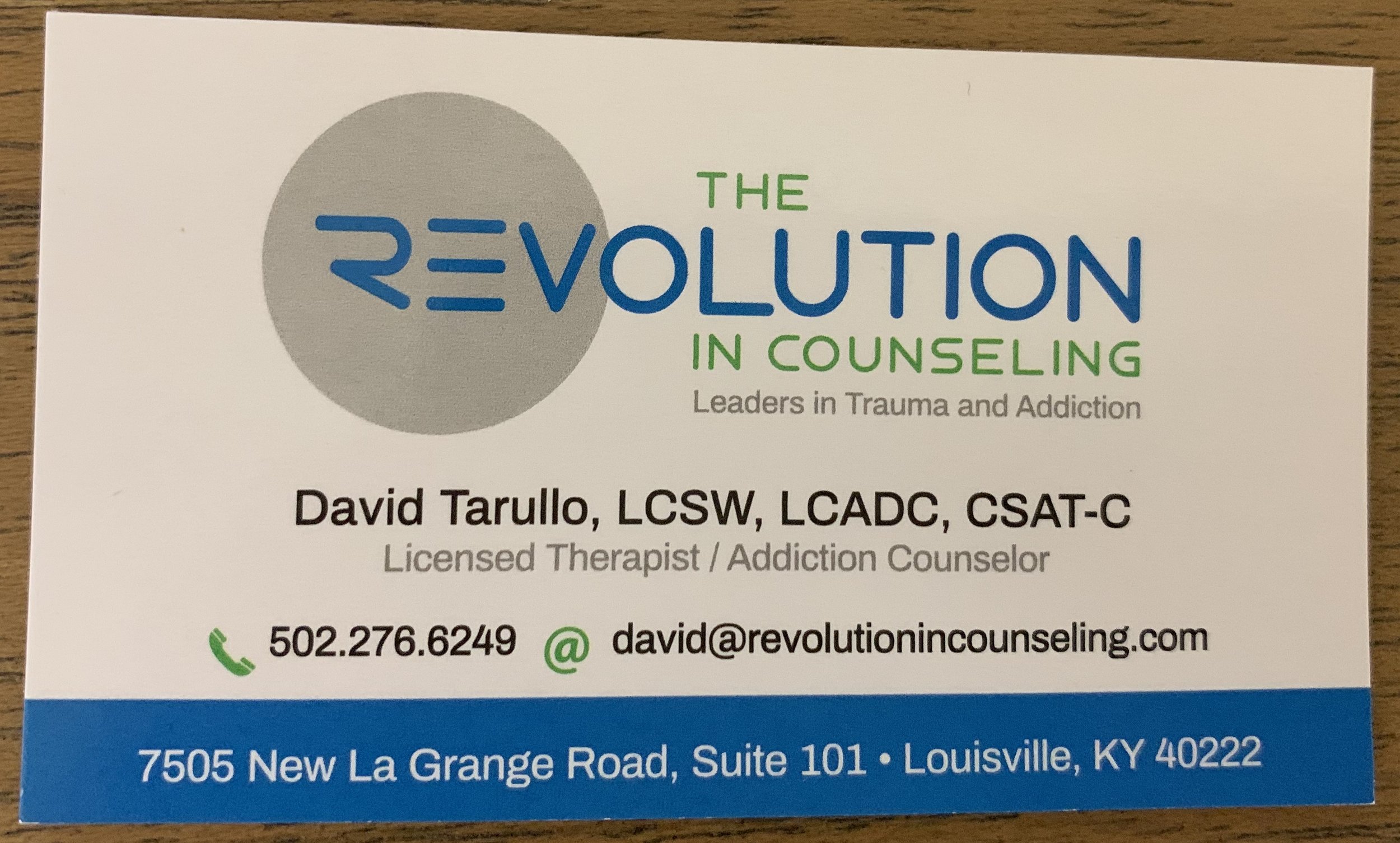
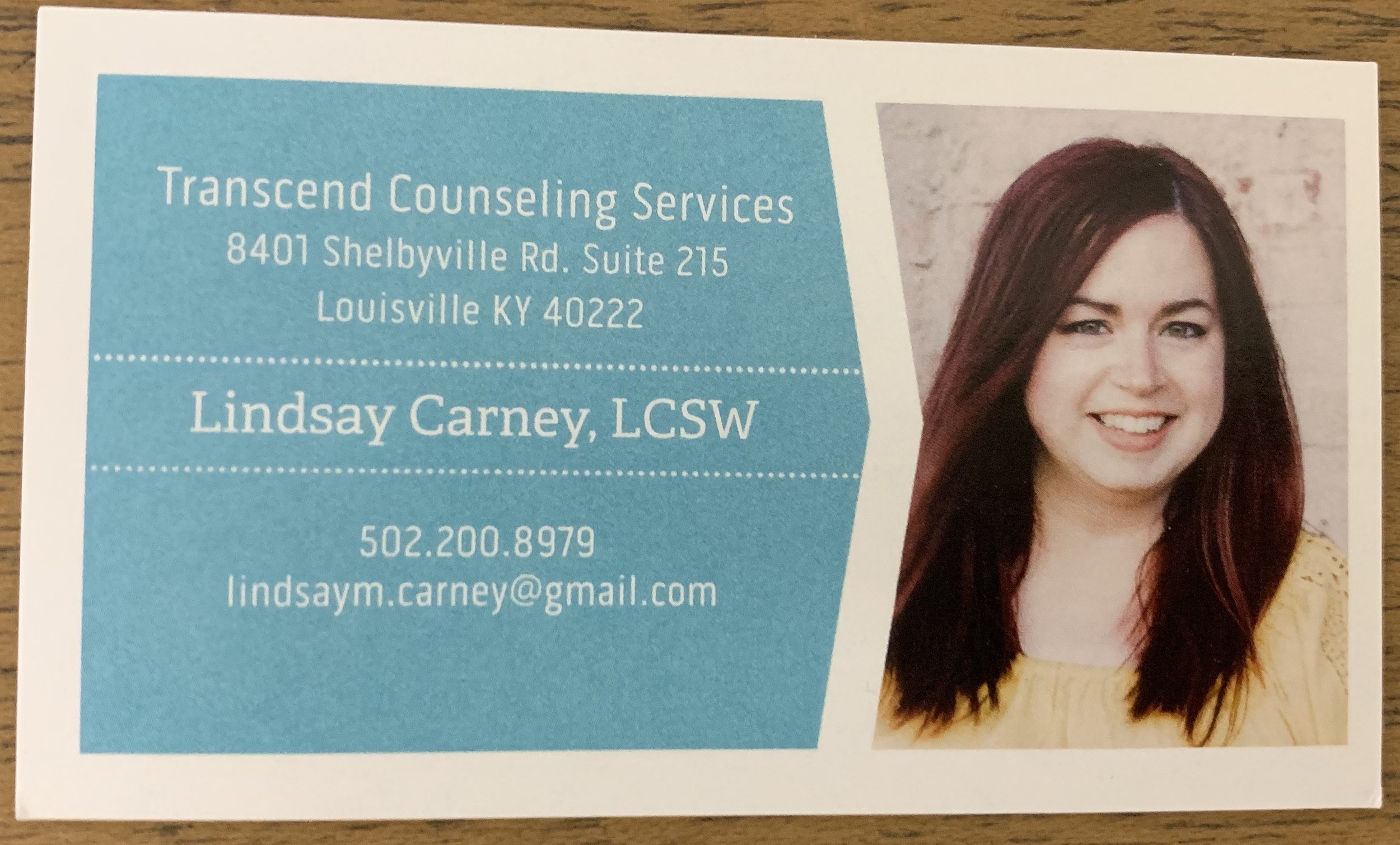
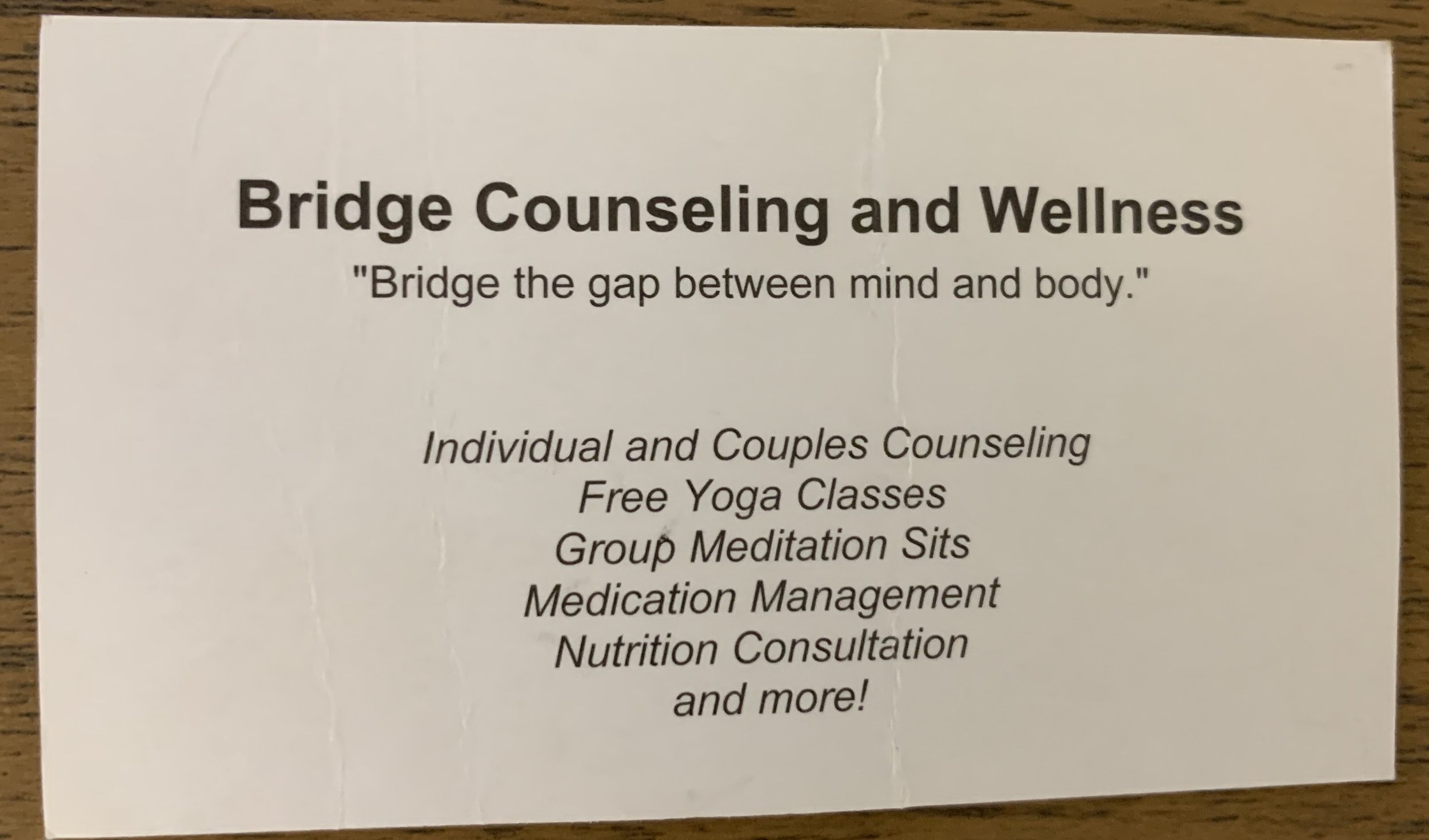
What shape business card should I get?
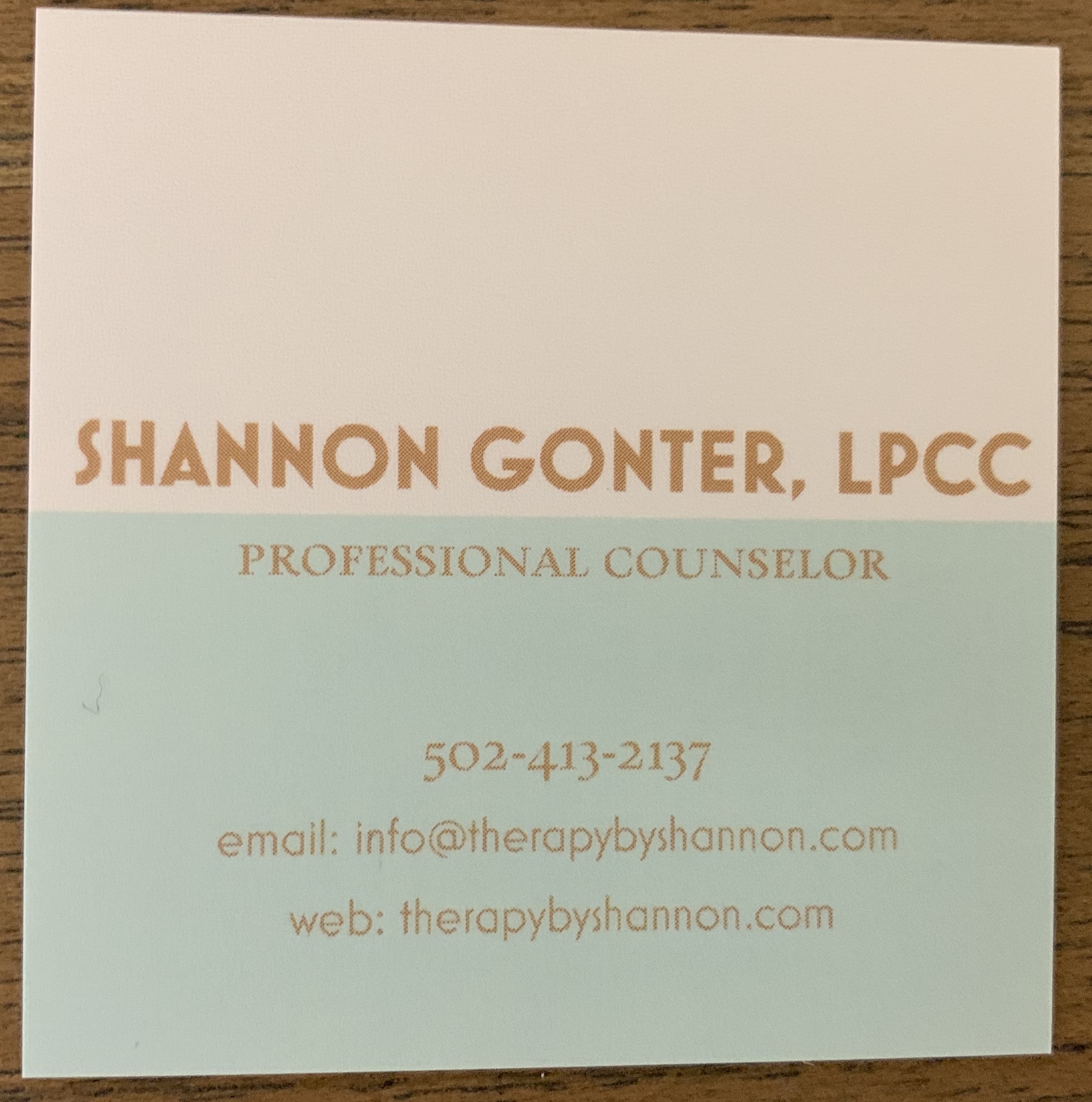
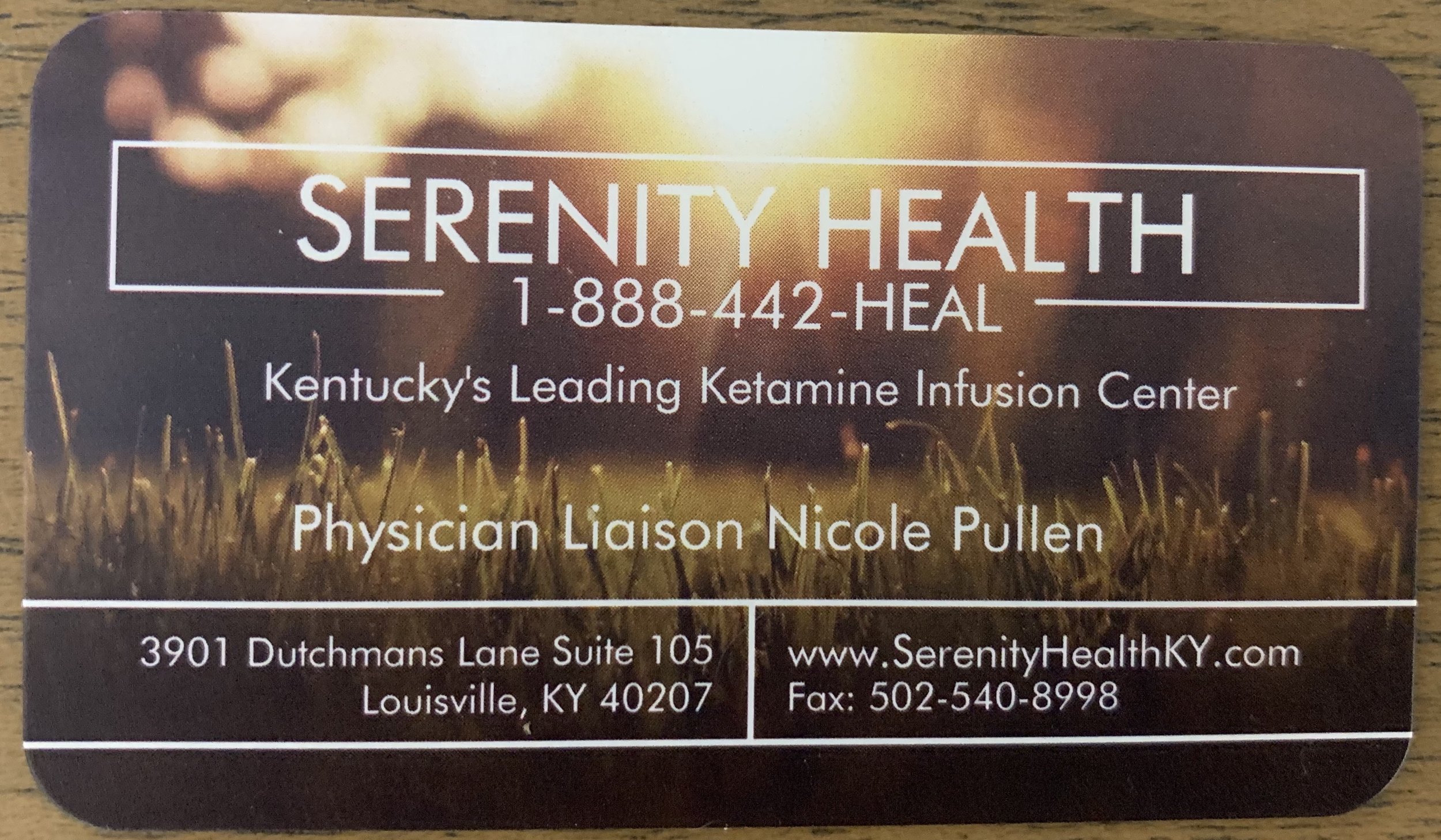
There are lots of options. All different shapes, sizes, and thickness. Think practically when picking the shape and size of your card and choose something that aligns with your brand. I personally went with a square card for one of my businesses and get a lot of positive feedback on it. Caution to getting business cards that are too small, or odd shapes because you don’t want people to misplace them and you want people to be able to put them in their wallets.
What colors should I use?
Be consistent with your branding colors. For example, if your office and website are all light and whimsical, don’t make your cards black or with bright colors. Remain consistent with the same color palette and maybe just use different shades of those colors.
How many do I order?
The more you order the cheaper they will be per card. But I would start out with 100 or so to see how you like them, and what feedback you get (if any) when handing them out. From there I would make changes if needed and then order more to ensure you don’t run out.
So now that your informed on what should be on a business card, you might be thinking “why do I even need a business card, it’s not 2001” or “what do I even do with the business cards when they arrive.”
Find out why your business still needs business cards here.
Find out what to do with your business cards when they arrive here.

Shannon Gonter, LPCC, Owner and Founder of b.mindful Louisville
Have additional questions? Feel free to message me and ask!
*permission was granted by business owners to use their cards as examples

Benefits Of Business Cards
Even in today’s digital era, business cards definitely still have a place in the business world. A business card can be what makes or breaks their first impression of you and your business. A well designed, informative business card paired with a solid handshake will leave an impression at your next networking event, the good kind. It should be considered one of the first pieces in marketing your private practice or consultation business.
I hear you out there saying, “Business cards? What?! Who uses those anymore? It’s not 2000 anymore.” Sounds so old school, right? I know, I know but even in the digital age we shouldn’t forget about print marketing. It still has a place in this world and personally I think it’s a vital one.
With a majority of our marketing efforts directed to digital marketing platforms it is easy to forget about or discard the benefits of some print marketing, such as business cards. Now don’t get me wrong, digital marketing has been a game changer in many ways and even with our relationship to business cards. There are now tons of apps out there that organize your business cards and make connections for you. Therefore, making it easier for you to follow up and keep track of them opposed to throwing them in a drawer and never looking at them again.
5 Things You Didn’t Know About Business Cards
1. Business cards are one of the cheapest, most effective marketing tools
Digital marketing (email campaigns, SEO, social media, paid media…) are all great tools to use to attract leads and prospects, but they require more money and possible outsourcing. Business cards are something that you can 1) design by yourself 2) afford easily 3) execute by yourself. No matter how much money you spend on your marketing efforts, nothing is going to pay off more than an in-person meeting sealed with a handshake along with a business card exchange.
2. Business cards can assist you in remembering things
How many of you have been at a conference, meeting or networking event and strike up a conversation with someone, become interested in what they do, and then they have to leave and you don’t get to finish the conversation. So, you’re left thinking “Wow Sally was really great, and her business sounds so interesting and there would be some overlap in the clientele we see, I wish I knew her email address to follow up with her.”
. . .
WELL if you had business cards and were able to exchange cards before leaving the conversation, you would have the physical card and information to remind you to follow up with her to continue that conversation and to build the relationship and referral base.
3. Business cards are more personal than digital connections
Networking is all about making genuine, long lasting connections with people. Though it can be more convenient to whip out your phone and get their email or phone number; it isn’t as personal. Making eye contact, having an engaged conversation and then exchanging business cards at the end is going to show the other individual that you are confident, capable and professional. And honestly, we all know that once you get your phone out, it’s not that easy to put it away, and you don’t want to be that person at a networking event sitting in the corner on their phone.
4. Business cards could be the first interaction someone will have with your brand
Think about those big-name brands you buy and interact with every day. What are some words that come to mind after hearing those liked, and familiar brands? Hopefully they are good words, and if not, maybe rethink interacting with a company that doesn’t leave you feeling good. So, applying this to you, for your business brand you want to ensure that you are leaving people with a calm, welcoming, warm (or whatever you are hoping to evoke) feeling and not a cheap, cold, or unapproachable (or whatever you are hoping to avoid) feeling. Use this thought frame work when designing your business cards, because your business cards may be the first interaction someone has with your brand.
5. Having business cards available shows others that you are prepared
Just imagine this. You are talking to two individuals who both spark your interest and you want to connect further with them, so you ask them if you could get their email to continue this conversation at a later date. One reaches into their bag and is scrambling to find a pen and a piece of paper to write their email down and the other one reaches into their wallet and hands you a business card. Just based on this interaction, who would you want to reach out to first? Showing that you are prepared at all times is a great indicator that you are a true professional.
So now that you’ve learned some new things about business cards and are thinking about getting some for your small business, bet you have some questions that popped up.
Like…
Where do I order business cards? What do I write on the business card? What shape business card should I get? What colors should I use? How many do I order?
Find all those answers and more, here.

Shannon Gonter, LPCC, Owner and Founder of b.mindful Louisville
Have additional questions? Feel free to message me and ask!