
Why some human helpers are ditching their office and going digital
If you have realized that working online is for you and it really fills you up and your clients enjoy it - ditching your physical office space may be your next move. We know it can be scary - but we are here to support you during this transition. We believe in empowering each clinician to find the business practices that work best for them and then assisting them in reaching those goals.
Working online as a mental wellness provider has always been an option - but before COVID not a lot of professionals were taking advantage of this delivery option for their practices. Maybe they were nervous about making the transition, just did not want to add one more thing to their plate, did not think their clients would take to it, insurance was not paying for those services, etc.
But with 2020s happenings - we were all forced to go online during the initial lock down if we wanted to keep our doors open. After the initial shock, SO many providers found out that online work really isnt that bad, is just as effective and some even found out it is their preferred delivery method for services. Some decided that they will never return to in person sessions or services and others taking more of a hybrid approach and providing some in person and some online.

Cheaper
By not having to pay for a physical office space location - you are cutting your overhead costs drastically. For so many practices, the rent they pay each month is about 40% of their expenses if not more. Imagine what you could do with all that extra money you are saving by not having a full time office space.

Help More People
By going online you can serve a much wider audience then just those who are able to drive to your office location.

Ease
Some people find working from home a lot easier than going into an office everyday. Specially with COVID-19 and the health concerns surround that - it can just bring a peace of mind to you knowing that you don’t have to make the commute to the office everyday.

More Freedom
Dependent on your licensure and business set up this may vary - but for the majority of us - working online is going to provide us with a lot more freedom in our day to day to get household chores done, grab lunch with a pal, pick our children up from school, etc.
There are a lot more reasons why people choose to work solely from online like mentioned above. But there are also some barriers that keep health and wellness professionals from making this change in their practice.
If on insurance panels - we need a physical office address and not a PO Box…
We are concerned about isolation and spending our days only talking to our clients alone in our home offices…
We fear that people will not want to see us as providers if we only offer online…
and we want support building our businesses and do not feel like we can get this without having in person colleagues.
Working online is not going to be for everyone. For some this time of pretty much being forced to offer online services has really shown them that they love, need and crave in person interactions with people and cannot wait to stop offering online sessions. For these individuals, looking into a shared workspace may be the best fit for you. This will provide you with a furnished, safe, and secure office space to see your clients in all while still getting the flexibility you may want by not being locked into a long term office rental lease. If you gave up your office but really wanting to get back into a full term all yours type of office space, reach out to other professionals and see if they have any openings in their offices, check your local list servces or therapist FB groups or even craigslist.
Check out our offerings and membership options today! If you are in the Louisville area, we may be a good fit for you and your growing practice :) and if you are in KY and needing a virtual office address for your telehealth business you can get all of this and more with b.mindful Louisville virtual membership for those human helping professionals in the state of KY.
If you are having a hard time figuring out where to start in finding a community for yourself in private practice- start with us! We have a community membership designed for those mental wellness helping professionals in private practice who are seeking community, networking opportunities, and support.
If you are looking for more then community - we also have you covered! We have virtual and tenant membership options as well and also offer live and recorded workshops to support those getting into business for themselves.
We have created a safe, fun, easy way for you to connect with other like minded individuals and get the support you need to have a thriving practice. Learn more.

Opening a Mental Health Private Practice in Kentucky
Opening a private practice is a lot of work and tough because it is likely requiring you to do lots of things you have never done before and maybe at the same time when you are wrapping up on your schooling, working another job, caring for your family, etc. Though we cannot promise that it won’t be hard work - we can take off some of the heavy load from you and assist you by giving you a framework to build the practice of your dreams from.
Opening a private practice is a lot of work and tough because it is likely requiring you to do lots of things you have never done before and maybe at the same time when you are wrapping up on your schooling, working another job, caring for your family, etc.
Though we cannot promise that it won’t be hard work - we can take off some of the heavy load from you and assist you by giving you a framework to build the practice of your dreams from.
Below is a detailed description of whats in our Private Practice Deep Dive presentation and resources . If you are a tenant or virtual member of b.mindful Louisville - you get the entire deep dive presentation and more included in the price of your monthly fees. if you are a community member, you get a 50% discount on all trainings/presentations hosted by b.mindful Louisville. If you are not a member of the BML community - you can attend one of our live trainings (that we host about once a year) or purchase it for a one time fee to view the recordings and resources at your own pace.
Private Practice Deep Dive 3 Hour Presentation will provide you with the framework and resources needed to start and grow your mental health private practice.
WHAT IS IT?
This presentation covers all things of the private practice lifestyle from start up to scaling. The information is broken down into three sections allowing it to be easily digested and creating a smoother path for the consumer to take actionable steps.
The first section focuses on the baseline physical criteria needed to open up shop, including proper licensure, business structures and entities, safety in the office, malpractice insurance, and many more.
The second section focuses on the baseline clinical criteria needed to be in business for yourself such as clinical paperwork, HIPAA compliance, practice management systems, fees, rates and insurance, etc.
The final section focuses on growing and maintaining your practice once it is up and running by discussing income and expenditures, marketing, networking and more.
It is a very thorough presentation and will provide you with a sturdy private practice framework to build your practice out of no matter when that might be.
WHO SHOULD ATTEND OR PURCHASE IT?
This presentation is designed for:
All professionals in the mental health and wellness fields in the state of KY interested in entrepreneurial life!
Those who are in PP
Those who are pondering leaving their current position to start PP
Those wanting to break free from group practice or contract work and go solo
Those in graduate school
Those who want to learn more about PP
Whether you already have a practice and just want to ensure you are using best business practices or you are a newbie to the entrepreneurial world - this presentation has got you covered!
HOW MUCH DOES IT COST?
View full details here
Includes: Live or recorded 3 hr virtual presentation, access to the powerpoint slides afterwards, private practice templates, scripts and some sample clinical paperwork, helpful tips and tricks and more.
If you purchase the recording you will be able to schedule a 30 minute consult with Shannon Gonter at a later date to ask all your questions and get anything sorted out that is not clear to you.
* you will have access to all information through the end of the year through One Drive password protected access
You do not need to recreate the wheel and struggle in silence. Reach out and let us help you learn more about private practice today!
Think this is the right path for you? Reach out today and check in about our different membership offerings and how they can make your life easier during this huge transition from full time or part time or living the retired life.

How To Lower Your Overhead Of Your Wellness Practice
If you are a human helper who is just starting out or predominantly works online and is seeking practice building resources, community, marketing assistance and more for an affordable monthly cost - our virtual membership may be the best fit for you! Will keep your practice overhead low - while still providing you with all you need for success.
Bring intentionality into your business expenses - just like we encourage our clients to bring awareness and intentionality into their lives and healing - we need to be doing the same with our business practices.
We know it is not all about money, but don’t think it would be a lie in saying that we all would want more money in our pockets at the end of the day, right?
Income - Business expenses = Profit
So how do we do that when starting a practice, having to cover overhead costs and having little or zero clients and income coming in? GREAT QUESTION.
One solution to this is starting out renting a virtual office for your practice.
b.mindful Louisville offers this for KY based wellness professionals who need a secure business address, like minded community, resources to build their practice and more.
When you hear the term virtual office people don’t know what to think. An office online? Huh.
At each location a virtual office may vary - but at b.mindful Louisville - our virtual members get the following:
Louisville business mailing address
Access to fax machine and scanner
Practice building resources
Like-minded community
Option to rent office space by the hour
Marketing assistance and many more…
By keeping their monthly financial commitment to about $50 a month this allows for these clinicians to lower their monthly expenses, not have to pay for rent, but still have a business address, a furnished professional space to see clients out of and more.
If you are wanting to know if joining out community is the best financial move for your overhead - reach out and we can explore this with you. We have lots of flexible plans to meet just about everyones needs and would be happy to hop on the phone and talk this out. Give us a call today.
If you are a mental health or wellness provider in KY needing community and resources to assist you in growing your practice - you are in the right place! Check our our practice building blogs, resources and office rentals.

Strengthen Your Business Muscles
By listening to some (or all) of these podcasts, your business muscle will be sore and grow and will thank you later! It can be so beneficial to learn from those outside your field and apply their tips, tricks and tactics to your field.
Why podcasts are great:
accessible pretty much anywhere (phone, computer, tablet, on the go, at the house…)
you can multitask as your listen
versatile in content
more intimate
they build community and connections
Are there specific podcasts that are focused on mental health and wellness professionals? If so, what are they? — Check those out here.
I know a lot of mental health and wellness professionals don’t think of their practices as businesses, but surprise - surprise - they are! Therefore, you are a small business owner and an entrepreneur!
A lot of us did not go to business school, or spend much time learning about the business side of our practices. We just wanted to open up shop, hang out shingle and help our clients grow. But in order to keep your doors open and be able to draw in the right crowd of clientele (so you don’t burn out), you need to grow your business muscles.
What is included in this muscle group is: Brand, Marketing, Sales and Finances
The above mentioned private practice specific podcasts will assist you in getting into that business mindset and thinking outside of the clinical box, but it can also be very helpful to listen to expert from other fields.
Suggested business podcasts:
“ An award-winning podcast where I interview inspiring Entrepreneurs to help YOU on your Entrepreneurial journey! “ - John Lee Dumas
“For over a decade John Jantsch has interviewed thought leaders, experts, and authors. Subscribe today and hear some of today's most influential marketers and entrepreneurs share their stories and secrets.” - website
“Hosted by author, speaker, coach and entrepreneur Elayne Fluker, Support is Sexy podcast features interviews with more than 500 diverse and inspiring women entrepreneurs from around the world, who candidly share the ups and downs of their entrepreneurial journeys — where they started, when they struggled and how they still made it happen!” - website
“StartUp is a documentary series about entrepreneurial life. The show has been downloaded tens of millions of times since its launch in 2014. Its first season has been adapted into an ABC sitcom called Alex, Inc. starring Zach Braff. StartUp has won a Gracie Award and the Gerald Loeb Award for Distinguished Business and Financial Journalism.” - website
“Interviews and inspiration each week for the entrepreneur who wants to make an impac” - website
“Guy Raz dives into the stories behind some of the world's best known companies. How I Built This weaves a narrative journey about innovators, entrepreneurs and idealists—and the movements they built.” - website
Learn more about b.mindful Louisville and the office rentals we have for psychiatrists in the greater Louisville, KY area. Reach out to Shannon Gonter ( 502-528-1363 / shannon@bmindfullouisville.com ) with any questions or to set up your tour.

7 Business Models For Private Practice
This post will focus on the private practice sector and the subcategories associated with it. Keep reading to learn about the 7 most common models for therapists, counselors and other wellness professionals in private practice.
In school we are taught that there are a few different places we can work as mental health and wellness professionals.
Community agencies
Hospitals
Private practice
While in school we don’t really understand the inner workings and behind the scenes work of all these settings; after we graduate, we don’t always figure out much more. We graduate, get a job and for the bulk of us forget that we have other options out there.
For those of us that end up going into private practice (full or part time) we still aren’t all that educated on the different options we have under the “private practice” umbrella. We just say we are going to do private practice join an established practice or hang our own shingle.
Hold up. Not how it should go!
This is a big decision you are making and I believe that if we are more educated on all the options out there for mental health and wellness professionals in private practice we could make more informed decisions about where we want to work and therefore lowering the chances for burn out and compassion fatigue.
This post will focus on the private practice sector and the subcategories associated with it. Keep reading to learn about the 7 most common models for therapists, counselors and other wellness professionals in private practice.
Solo model
Number of people: 1 person + any contracted non clinical assistants (website designer, virtual assistant, biller…)
Day to day: Clinicians exchange their time spent with clients for a stated fee. They are also responsible for running the business side of things (tracking expenses, marketing, networking, documentation, billing…) by themselves or with outsources assistance (attorney, accountant, marketing professional…).
Growth comes when you increase client volume or fees
Downside: It is just you and your clients. Easier to fall into the isolation of private practice world and run into safety concerns. To combat this make sure your office is located around other professionals (preferably like-minded professionals) and that you have a strong clinical network to consult and grow with.
Co-op model
Number of people: 2 or more clinicians
Day to day: In this model several solo-practices simply share costs of running the practice (a set monthly fee - not a % of what you make). Some just share the expenses of the physical space (rent, utilities, supplies, décor, furniture…) and others include a marketing budget for website management, etc. Each clinician operates as a solo provider under their own business entity and simply splits the costs with the other providers in the space. These clinicians can then refer to each other and draw on each other for support but are not contracted to split a % of their earnings with each other.
Growth comes when you increase your personal client volume or fees and/or add on other clinicians to lower your monthly shared costs value
Downside: Less independence and autonomy on the design of the physical space and marketing materials due to splitting the costs with others therefore having to compromise to ensure it meets all your needs and not just your own.
Contract model
Number of people: 2+
Day to day: Practitioner works as a solo clinician with their own business entity providing services for an established practice as an independent contract provider (1099 filer). Usually the established practice will provide you with credentialing, referrals and sometimes even an office space to practice out of (some allow you to practice out of your own office).
Growth comes when you increase client volume or renegotiate your split fee schedule with the established practice
Downside: Dependent on the practice you contract with they may have strict guidelines about your scheduling, billing, your clinical work etc. Ensure that you have an attorney review your contract before signing to ensure that it is in your best interest to contract vs being an employee vs solo practitioner.
Group model
Number of people: 2+
Day to day: Practitioner owns the practice and hires either contract providers or employees to see clients for a percentage of their earnings. Typically, an office space is provided with this model, receptionist, referrals, EHR, assistance getting credentialed with insurance panels…etc.
Growth comes from adding more clinicians to work under the group name
Downside: Decreased financial autonomy due to being contracted to provide your practice owner with 30%-60% of your earnings to cover the practice overhead, referrals and amenities. Ensure that you have an attorney review your contract before signing to make sure that it is in your best interest and know that you are allowed to negotiate with these contracts.
Sublease model
Number of people: 2+
Day to day: Practitioner subleases office space to other clinicians. Some office spaces are rented furnished, and some are not. Clinicians in the space may or may not be under the same practice name, and often all have different licensing backgrounds and work with varying presenting concerns. b.mindful Louisville is a shared workspace for mental health and wellness professionals in Louisville, KY that is a great example of this model.
Growth comes from adding clinicians and filling the office space available
Downside: As a landlord you have limited say on how your tenants run their businesses. Ensure that a trusted attorney draft your contract to ensure that you and your office suite are appropriately covered in case of a malpractice or liability concern from one of your tenants or their clients.
Employment model
Number of people: 2+
Day to day: Clinician simply works as an employee of an established private practice. Could receive benefits and a regular salary based on the contract with the practice.
Growth comes from getting salary raises
Downside: Possible decreased freedoms with your schedule and autonomy as a clinician given the established practice policies and culture. Make sure to have a trusted attorney review your contract before signing and know that items within the contract can be negotiated.
Non-traditional services model
Number of people: 1+
Day to day: Practice is built using non-traditional services delivery models (such as teletherapy). Clinicians can solely offer their services online or they can do a hybrid of online and in person services.
Growth comes from adding clients or increasing fees
Downside: Can be more restrictive by nature due to the clientele that are ethically appropriate to be seen via telehealth. Therefore, limiting the populations of people that would be good fits for this line of work.
There is no right or wrong path to private practice and a lot of these can be used in combination. I know tons of therapist who use the solo model and contract model together to fill their caseload and I know tons of mental health and wellness professionals that belong to any of those models and also do the sublease model on the side renting their unused space to other professionals. Mix and match to make a combo that works best for you and your life at that moment and allow yourself to adjust accordingly down the road.
Like I said before, having the knowledge of all the different ways one can do private practice can allow us to pick the best fit for us therefore (hopefully) lowering the chances of regret and burn out in the future.
b.mindful Louisville provides safe, clean, practical offices for those in private practice. Our spaces are designed with mental health and wellness professionals in mind.
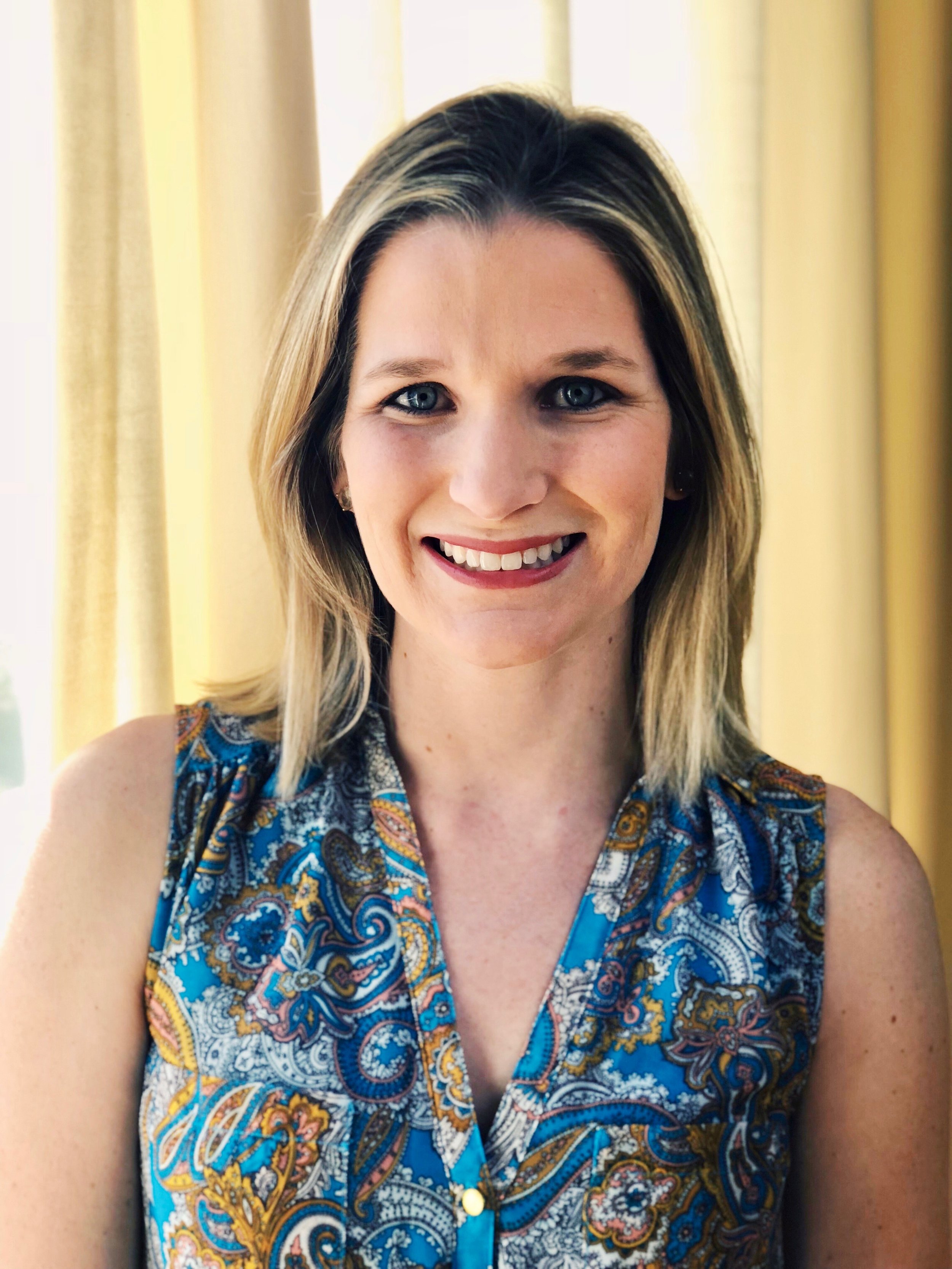
Shannon Gonter, LPCC, Owner and Founder of b.mindful Louisville

What is the best business entity for your private practice?
You know you want to start your own private practice. That’s awesome! Now… how do you get started? First, you need to determine which business entity is right for you and your business. Think I’m speaking a second language? Read our quick breakdown of the most common types of entities and which is best for different types of independent wellness practices. This will help give you a starting point in making your business official.
Disclaimer: This is not legal or tax advice. This information is for educational purposes only. You should consult with an attorney and a CPA to determine which type of business will best meet your needs.
Being in private practice is not just about having the autonomy to pick your own clients and set your own schedule, it is also a commitment to being an entrepreneur and a business owner. Therefore, the hats we wear day in and day out often switch from clinical to business owner several times. This transition is difficult to juggle for most, but can be even more troublesome for those of us in the helping fields because we are very rarely trained and/or exposed to the business side of things before opening our own private practices.
What is the best business entity for your private practice?
“uh….I don’t know” is usually the response to this question when asked of any counselors, therapist, life coaches or other wellness professionals. They are typically more tied to the helping side of their role and not so much the business ins and outs. BUT REMEMBER (from above) that being in private practice is a commitment to being a business owner. So, to be a competent business owner, we need to know what our options are to be able to decide what fits our individual and business needs best.
To help you get started on determining which entity fits your specific needs, I have compiled a list of the business entity options, a short summary and its common usages for private practice owners.
LLC (Limited Liability Corporation)
Summary: Designed to provide additional liability protection for the business owner compared to a sole proprietorship. By having an LLC it separates your personal assets from your business assets therefore adding an additional barrier of protection against any possible lawsuits against your business. An LLC also allows you to have multiple members/owners and in most states the taxes are passed through the individual members/owners and not the business itself.
Short hand: An LLC is a hybrid that tries to combine the benefits of a sole proprietorship and a the benefits of a corporation.
Commonly used for private practice? Yes. It provides the right amount of protection and flexibility for practice owners and though this is not legal advice, an LLC is the most commonly used entity for private practices in Kentucky.
PLLC or PC (Professional Limited Liability Corporation)
Summary: An entity for individuals with professional licenses (accountants, lawyers, healthcare professionals, architects, etc.). Dependent on your state, some do not allow those with professional licenses to form an LLC and require a PLLC (Kentucky is currently not one of those states). Often requires further documentation and approval from the Secretary of State.
Short hand: Dependent on your state, some will require individuals with professional licenses to get a PLLC and not an LLC (check with your state).
Commonly used for private practice? Most commonly used within group practices that house individuals of similar licensure.
Sole Proprietorship
Summary: Easiest and cheapest entity to form for your business. Unfortunately, with the ease, there are downsides to this entity. The financial, legal and other risks associated to your business are directly tied to you personally. There is no separation of business and personal assets (investments, home, car, etc.) therefore putting your personal assets at risk if there ever be a business lawsuit or downfall.
Short hand: Easiest and cheapest to establish for your practice but comes with risks.
Commonly used for private practice? Though you can legally run your private practice as a sole proprietor, it is not typically suggested to do so (due to the lack of protection and separation of your business and personal assets). Even if you are starting small and plan to grow your practice to a part time or full-time case load, it is suggested to start out with another entity for increased protection. Again, this is not legal advice, but if you have no personal assets (home, car, investments…) and plan to keep your case load small forever, a sole proprietorship may work for you. Please check with an attorney prior to doing so.
Partnerships
Summary: When two people enter into a business arrangement together. This entity has similar risks as sole proprietorships (lack of protection) but with some of the tax benefits of an LLC.
Short hand: Entity hybrid for two individuals entering into a business together with the downfalls of a sole proprietorship and some of the benefits of an LLC.
Commonly used for private practice? Not commonly used for private practices. Group practices or shared ownership practices are typically going to align more with an LLC or PLLC.
Corporations
Summary: Are owned by its shareholders and require a board of directors. They are also subjected to other requirements such as annual reports, business filings, etc.
Short hand: C-Corp or an S-Corp (different designations for tax purposes)
Commonly used for private practice? Most commonly, private practice owners will start with an LLC and then once they are profiting a certain amount their accountant and/or attorney may suggest an S or C-Corp for various tax benefits it can provide the company.
Non-profits
Summary: All entities listed above are “for profit” companies (meaning their sole purpose is to make money for the owners, shareholders, and members). However, a “non profit” business entity is focused on funneling the money made to provide some sort of public benefit or cause and not distributing it all back to the owners.
Short hand: A company that uses the surplus of its revenues to further achieve its ultimate objective rather than distributing more money to its owners and members.
Commonly used for private practice? This entity is sometimes used for larger private practices. There are several different options for nonprofit organizations, so it is recommended to talk with an attorney to figure out what is the best option for you.
In summary the most common business entities used for mental health and wellness professionals in private practice are an LLC, PLLC, or sole proprietorship. Growing popularity is to become an LLC compared to sole proprietorship as a private practice provider. This allows more separation of your personal assets from your business assets in case there was ever a lawsuit against your practice. However, it is important to note that this is a different type of protection than having malpractice or general liability insurance. Those insurances are also needed to protect you and provide you with the support to fight a lawsuit. But they do not set any protective lines for distinguishing between your personal and professional assets (as certain business entities would).
To begin creating your business entity, start by researching the laws of your individual state to identify any specific restrictions or policies for your field. Learn more here.
At b.mindful Louisville we provide you with the business building resources that ease the process for you in learning all things business. We have direct links, contacts, resources and numbers for you to take advantage of so you can spend less time on Google pulling your hair out and more time growing your business.
Stuart Adams is a Louisville, Kentucky based attorney who can assist you all things business and ensuring your have the appropriate entities and regulations in place to protect you and your business assets.
Disclaimer: This is not legal or tax advice. This information is for educational purposes only. You should consult with an attorney and a CPA to determine which type of business will best meet your needs.
Have additional questions about our office rentals for mental health and wellness professionals in Louisville, KY? Feel free to message me and ask!
I’m a professional counselor and understand the importance of having a safe space to practice in, consulting, networking, having a solid referral list, and being around other like-minded professionals.

Shannon Gonter, LPCC, Owner and Founder of b.mindful Louisville

Podcasts That Will Help You Build Your Private Practice
In the beginning stages of building my own business I listened to a lot of How I Built This. This is a fantastic podcast and I got a lot of inspiration from some of the most amazing and successful companies around the world. But on a larger scale, I had a hard time applying a lot of the information to my day to day practice and business building. I knew there had to be podcasts out there that could help me. Maybe podcasts made my therapists, for therapists to help learn the ins and outs. Maybe one to help me continue growing as a business owner and therapist. And boy did I found some.
Podcasts are the best (subjective I know but just give them a shot if you haven’t already). The process is so easy. All you’ve got to do is find a topic you want to learn about (literally anything because they’ve got a podcast on just about everything), search for it, subscribe to it and listen.
Majority of phones will have a built-in podcast app to listen to them on but you can also download additional apps for streaming. I personally prefer to use the built in “podcast” app on my iPhone and enjoy listing to true crime podcasts such as S-Town and Dirty John or ones that are more inspirational and educational such as This American Life or Invisibilia.
In the beginning stages of building my own business, b.mindful Louisville a shared workspace for mental health and wellness professionals in Louisville, Kentucky, I listened to a lot of How I Built This. This is a fantastic podcast and a lot of my inspiration came from listening to some of the most amazing and successful companies around the world talk about their stories. But on a larger scale, I had a hard time applying a lot of the information to my day to day practice and business building. I knew there had to be podcasts out there that could help me. Maybe podcasts made my therapists, for therapists to help learn the ins and outs. Maybe one to help me continue growing as a business owner and a therapist. And boy did I found some.
There are so many out there! Like a lot. So, suggestion to avoid getting overwhelmed and to not have to walk around with headphones in your ears 24/7 - don’t try to listen to every single podcast by every single person. Take your time and do your research on the hosts, their goals and see if they align with your goals and your personality.
I personally aligned best with Allison Puryear from The Abundance Practice Podcast, so I remain pretty loyal to her posts, but then from time to time I pull in a random episode from The Private Practice Startup or The Ask Juliet & Clinton Show. But that’s just me. Take a look at the list below and try out some of your favorites and then narrow it down from there and get on with building your business!
Podcasts To Help You Build Your Private Practice (not in any specific order)

The Abundance Practice Podcast with Allison Puryear
Message from the host:
“Practical advice for counselors starting and building a private practice.”

The Ask Juliet & Clinton Show with Juliet Austin & Clinton Power
Message from the host:
“The Ask Juliet & Clinton Show is a marketing podcast for therapists and natural health businesses.”
Practice of The Practice with Joe Sanok
Message from the host:
“Covers everything it takes to make your service-based private practice more awesome. It’s what you wish you had learned in graduate school.”

The Private Practice Startup with Kate Campbell, PhD, LMFT & Katie Lemieux, LMFT
Message from the host:
“On our podcast, we interview entrepreneurs, experts in the mental health and business arenas and successful private practitioners to provide a wealth of information to our listeners!”

The Online Counseling Podcast with Clay Cockrell
Message from the host:
“ The Online Counseling Podcast explores the world on online counseling and therapy and those that practice tele-medicine.”

Private Practice Talk with Kelly & Miranda
Message from the host:
“Help for creating a happy and full private practice for mental health professionals.”

Profiles in Private Practice Success with Jennifer Sneeden
Message from the host:
“Profiles in Private Practice Success showcases the most successful and innovation professionals in practice today.”
Selling the Couch with Melvin Varghese, PhD
Message from the host:
“Selling the Couch is the #1 podcast for aspiring, new and current mental health private practitioners.”

The Rebel Therapist with Annie Schuessler
Message from the host:
“A podcast for therapists who want more.”

The Therapist Experience from Brighter Vison
Message from the host:
“The Therapist Experience Podcast is the podcast where we interview successful therapists about what its really like growing a private practice.”
Would love to hear from you in the comments section on your favorite practice building podcast or if you have one that you’ve found helpful that isn’t on this list!
Have additional questions? Feel free to message me and ask!

Shannon Gonter, LPCC, Owner and Founder of b.mindful Louisville
I’m a professional counselor and understand the importance of having a safe space to practice in, consulting, networking, having a solid referral list, and being around other like-minded professionals.

Unpopular Route: Grad School --> Private Practice
Who out there is a believer that everyone must do agency work after graduate school and that new clinicians shouldn’t enter the workforce through private practice? I hear a lot of you saying “preach sister, yes you must must must do agency work first” and I get it, I really do. But then I hear some others out there saying “nah, do as you want, it’s your life, your career, and your choice”, and I happen to align more with this outlook.
Who out there is a believer that everyone must do agency/hospital work after graduate school, and that new clinicians shouldn’t enter the workforce through private practice? I hear a lot of you saying “preach sister, yes you must must put in your time” and I get it, I really do. But then I hear some others out there saying “nah, do as you want, it’s your life, your career, and your choice”.
I happen to align more with the latter - even though it looks different then my personal journey.
I know it’s a different opinion than most, but I am a firm believer of following your dreams and getting there in whatever fashion suits you best. On top of that I am also a big believer that clinicians need to have rigorous training, create and maintain solid clinical skills, have stable supports and partake in ongoing consultations. Yes, yes, I hear you out there being like “yeah duh that’s what I’m talking about, you will learn all that at an agency and then can take it with you to your private practice later.” But you don’t have to just learn them at an agency/hospital, there are other ways.
Wondering what these ways are and how individuals going straight from graduate school to private practice will learn these skills? Below I will tell you by answering some of the most common questions asked in regards to this topic.
BRING ON THE QUESTIONS.
New clinicians need a lot of oversight, who is going to oversee their sessions?
A supervisor will, just like it would be at an agency. The supervisor would provide them with the structure, support and clinical guidance needed to learn and grow in their current position no matter the setting.

Speaking from personal experience, I have felt more fulfilled and supported by my privately paid supervisors than I did by some of the agency supervisors I had. Though it is painful to fork over $100+ a month for supervision, I found that they were more present in our sessions due to not being bogged down by too much paperwork, too many supervisees, too many clients, and too much bureaucracy.
In the end, not all supervision is created equal. Therefore, no matter where you are seeking supervision from and if it’s paid for or free, do your research and advocate for yourself and your practices needs. It may also help to surround yourself with like minded professionals in order to get additional support (that everyone so desperately needs in this field).
How are they going to know what to do if they haven’t been through the grind of agency work?
They will learn on the job, just like those did in an agency. Why should one be pressured into taking a job they don’t align with just because it’s one of the only agency positions offered to them? If coming out of school one knows what population they want to work with, why waste their time, the agencies time or the clients time working with a population that doesn’t match their ideal clientele?

I believe in hard work, obviously, but I think it’s important to be strategic about where you spend your energy.
I want people to spend their time building the life that they want, not wasting it by putting in time at the local clinic so the elders in the community won’t judge them. I don’t think its necessary to force newbies to walk uphill both ways in the dead of the winter to get where they want to go when they have alternate options. The saying is “work smarter not harder” right?
How are they going to know what population they want to work with?
By using their lived experiences, their training and by doing their research inside and outside of the office.

An advantage students nowadays have is the amount of quality resources available to them at their fingertips (literally…all the answers are held in their tiny phones). There are so many resources, reviews, practice building support networks, blogs and consultants out there and this makes it easier for them to find their paths. It is a lot easier now to gather all the information, allowing them more time to think about their wants and needs for the future and empowering them to go after their dreams after graduation.
So, you're saying you want to have clients pay money to have a therapist learn on them?

Nope. I am saying that I want clinicians to feel empowered in the work that they do so they can bring their best selves to sessions and provide for their clients in the best ways possible. And let’s be honest here, who isn’t constantly learning from their clients (no matter the amount of time you’ve spent in the therapist chair)?
How are they going to juggle the clinical and business parts of private practice along with all the start up costs?

This relationship, for most of us in private practice, has a love/hate dynamic to it and is tough to juggle anyways. Therefore, we shouldn’t place judgement or dictate what’s best for others who may be more business minded or have a higher tolerance for frustrations than us.
I know some of you will agree and a lot of you won’t. Either way, I would love to know what you think. Let us know in the comments below!
P.S.- Suggestion to the masses. Check with your state licensing board to ensure that it is legal for you to enter private practice after graduation. Certain states/licenses dictate a certain amount of post graduate hours before hanging your own shingle.
Have additional questions? Feel free to message me and ask!

Shannon Gonter, LPCC, Owner and Founder of b.mindful Louisville
I’m a professional counselor and understand the importance of having a safe space to practice in, consulting, networking, having a solid referral list, and being around other like-minded professionals.